

What can I say? I keep returning to Heritage Park for weekend jaunts, as it is a quick-and-easy drive, plus there are always images to pique my interest and to be captured by the camera lens. And this trek was no different. In fact, in my three hours spent relaxing at Coan Lake, meandering through the historical portion of Heritage Park, getting my steps on the walking path and visiting the massive garden areas afterward, I amassed a ton of photos. Later I divvied them up and will do separate posts in the coming weeks on the Botanical Gardens, Community Gardens and a mess ‘o Mallards and Canada geese found in and around Coan Lake. Right now I am stacked up with photos from various weekend jaunts at larger woodsy parks and water venues.
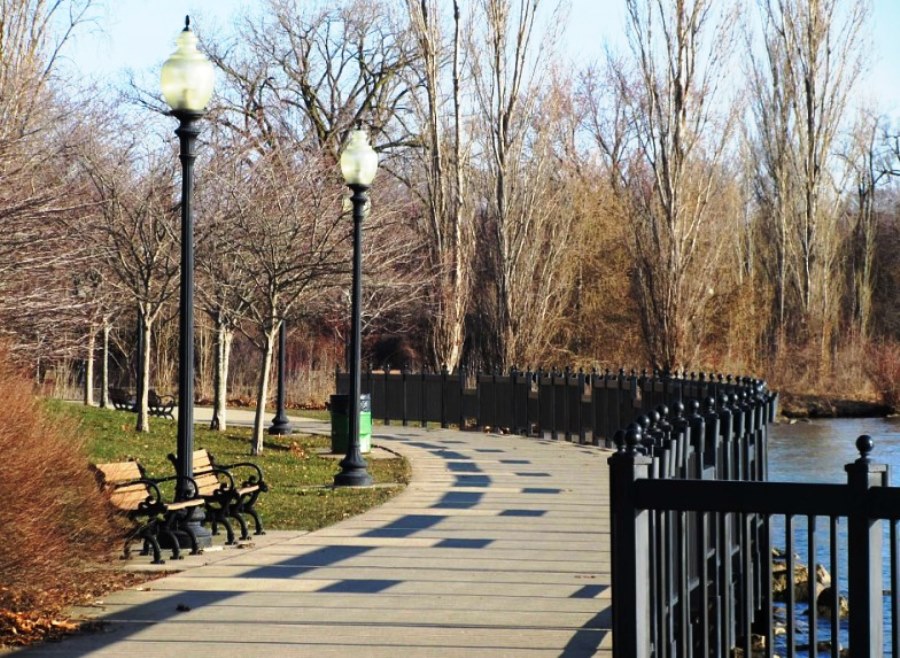
In the meantime, here is what I saw in the early morn at Taylor, Michigan’s Heritage Park, often referred to as the “Jewel of the City” and understandably so.
This was my first visit to Heritage Park since I participated in my virtual 5K walk for the local food pantry known as Fish & Loaves on Saturday, May 9th. You can read about that 5K walk here if you missed it. I was even wearing my new 5K swag … and yes, I left the finishing medal at home. 🙂

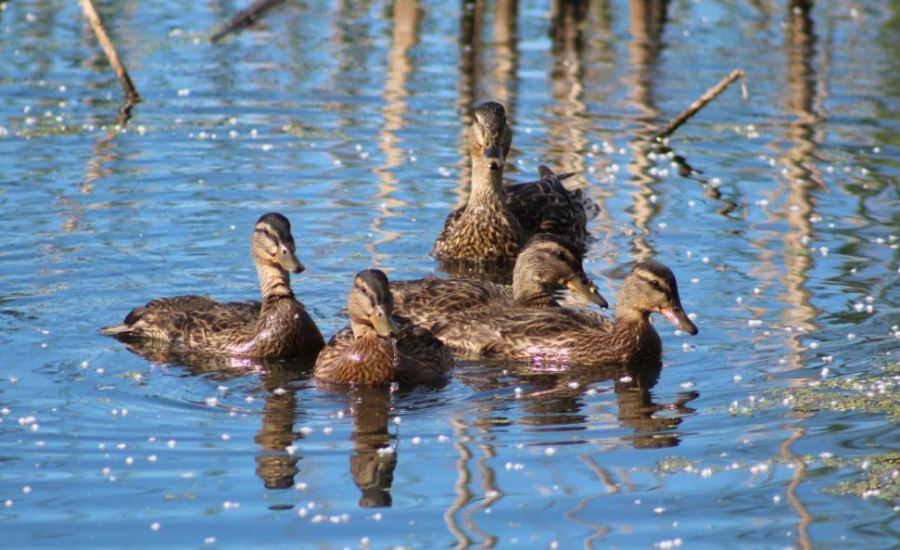
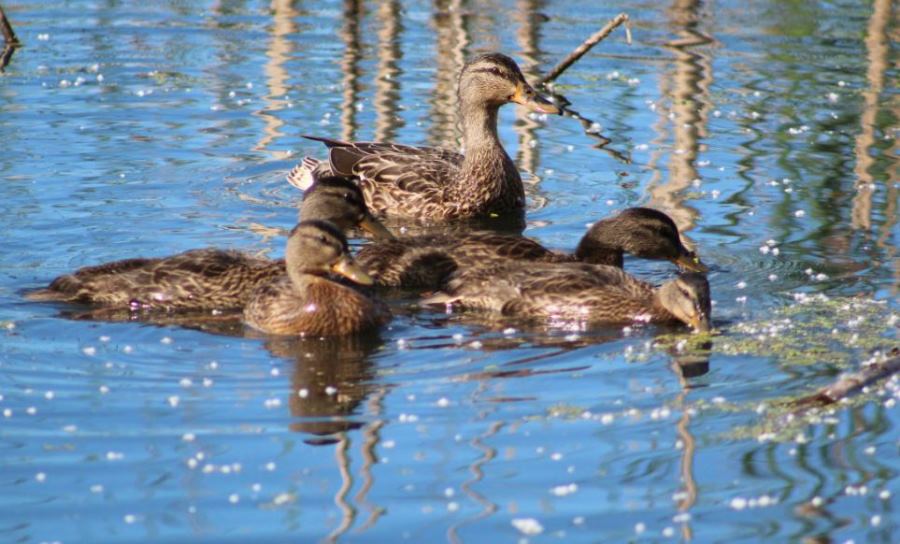
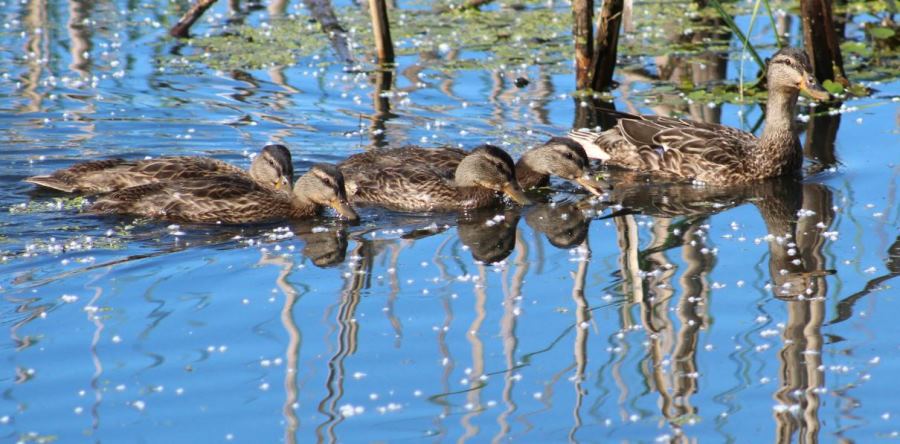
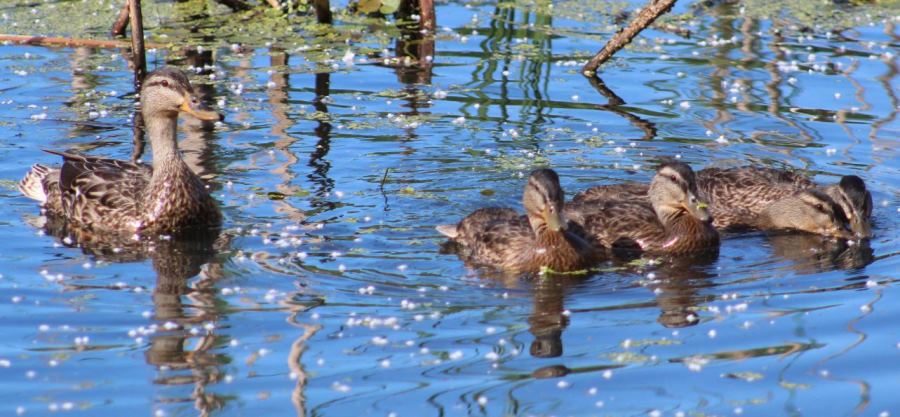
When you have your ducks in a row …
… you always arrive early at Heritage Park, because the Mallards are waking up and beginning their morning ritual, not unlike that of humans. You stretch and contemplate your day ahead; the Mallards lift up one wing where their head was tucked while sleeping, then raise one eyelid, stretch those short orange legs and wide-webbed feet, then it’s time to eat. (BTW – there is no snooze button that I know of and yes they have a little “bed head” just like you, or most of us.) The Mallards waddle to the edge of Coan Lake …
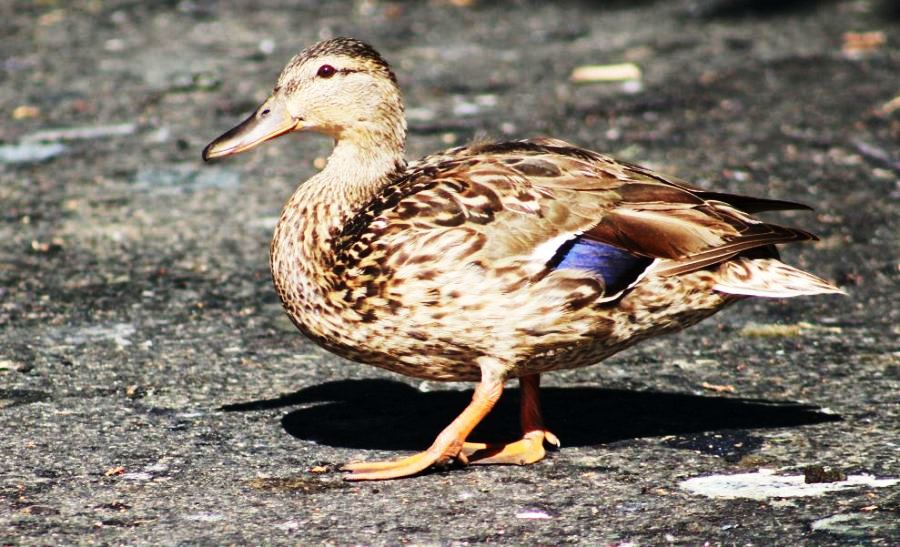
… and then plop into the water, where they will often dive deep, feathery butts in the air, to nibble on aquatic plants or catch a fish.
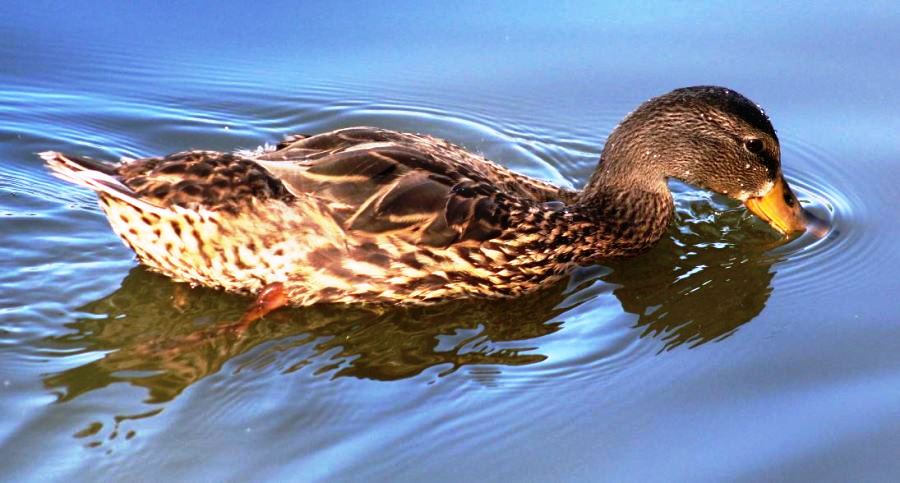
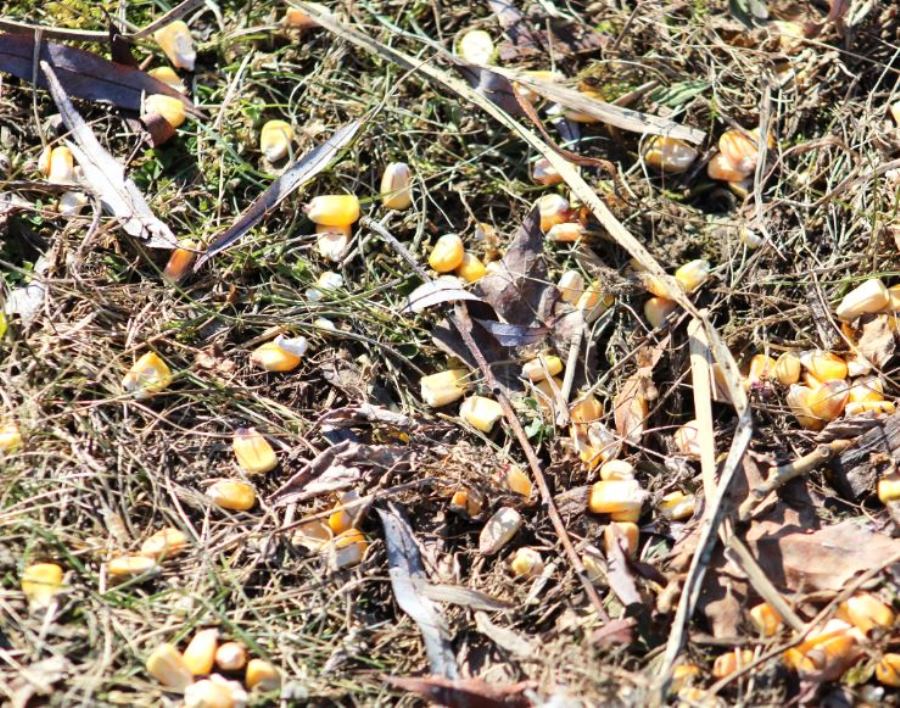
This big pond is stocked with fish for catch-and-release fishing and for the waterfowls’ benefit as well. Unlike the geese, who have been strutting around grazing on grass, long before their waterfowl friends woke up, ducks don’t usually eat grass, unless some kindly soul has scattered corn onto it and stray grass ends up in their beak while they are hurriedly scarfing up the corn. There is a gentleman who visits Coan Lake with a huge bag of cracked corn every morning . Just like at other parks, the ducks recognize their benefactor (or perhaps that large bag of corn), then scramble out of the water as soon as they see the whites of his eyes.
Now that eating is dispensed with, it’s time for morning ablutions, the equivalent of you or me hopping into the shower.
Watching the waterfowl here always starts my day off right.
It is molting time right now, and the waterfowl at this park spend an inordinate amount of time preening and picking their feathers. There were feathers all over the grounds, large ones and fluffy down too. The ducks are busy pulling out old feathers and then the new feathers that are growing in make them feel itchy and fidgety. I have had pet birds and know about the molting process. It was very hard on my budgies and canaries – they were listless and lethargic, not talking or singing, for about six to eight weeks, as they lost all their feathers in succession from head to tail. They’d jump from perch to perch and a flurry of feathers would drift from their bodies and land onto food or water dishes – at the height of molting it was like watching a mini pillow fight going on in the cage as the feathers flew furiously.
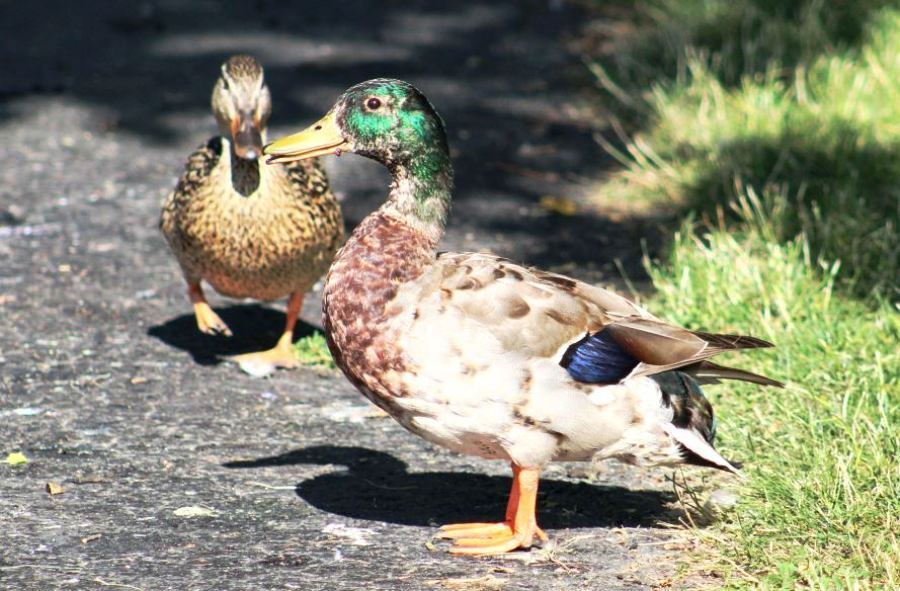
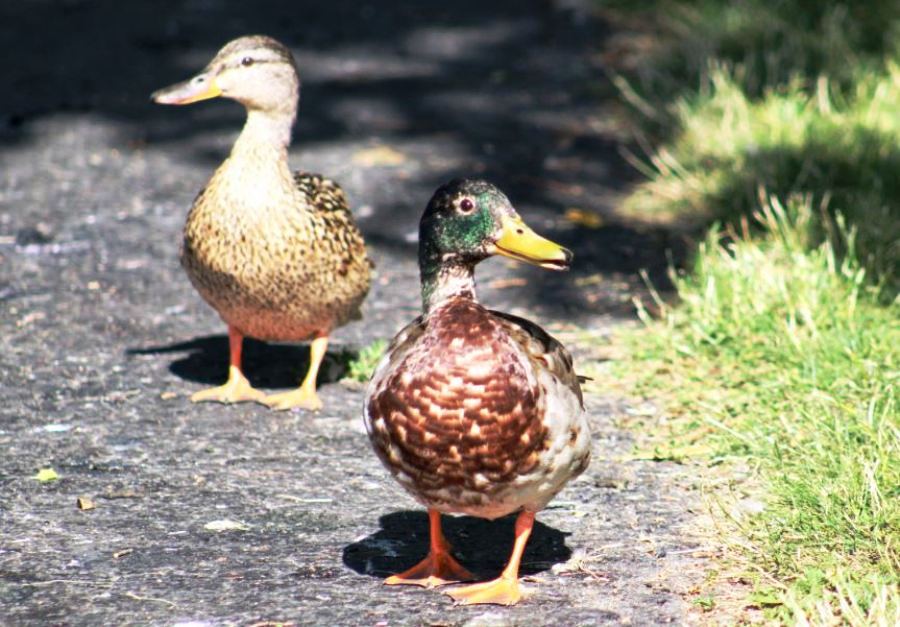
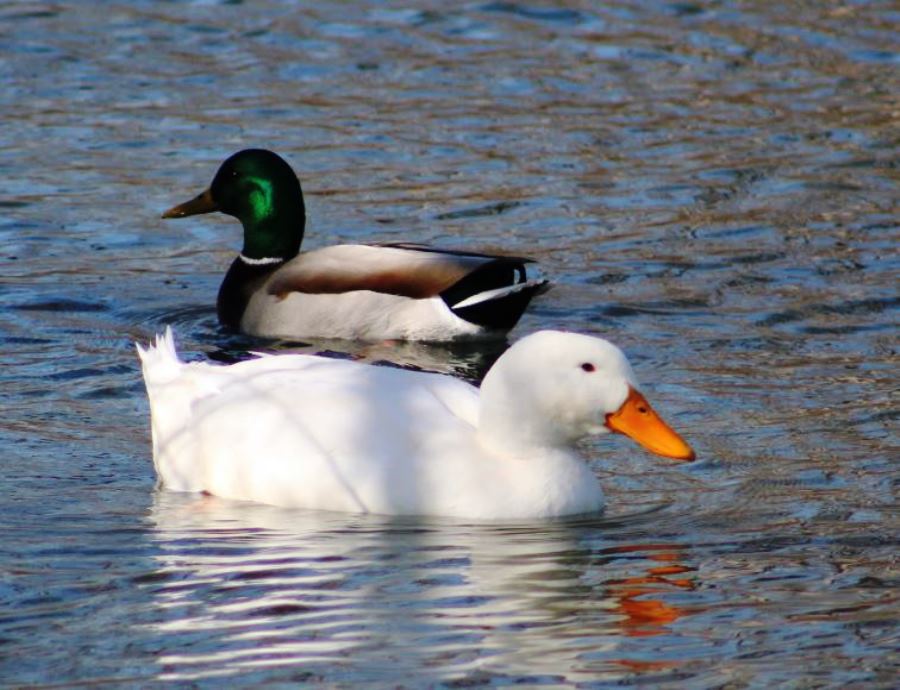
Check out these Mallards, especially the drake (male), whose usually vibrant plumage is mottled due to the molting process and this guy is missing his tail feathers as well – poor boy. All body feathers eventually will be replaced and soon he and other drakes will enter “eclipse phase” when all their plumage will resemble their mates. In fact, at a glance you can’t tell them apart, except for the beak color (bright yellow versus brown).
There is no set hatch date for ducklings and goslings. In 2019, at Council Point Park we had four families of geese, each with goslings, that arrived about a week apart. So there were lots of cute-and-fuzzy babies stomping around the Park grounds in the month of May and June. It was no different here at Heritage Park. Proud parents with their offspring close by were all over Coan Lake.
I mused that after beating a path to various water venues in search of ducklings every Spring, that this year, I have been inundated with glimpses of ducklings. At least something good has come out of the year 2020!
Here are a few ducklings to ooh and aah over.
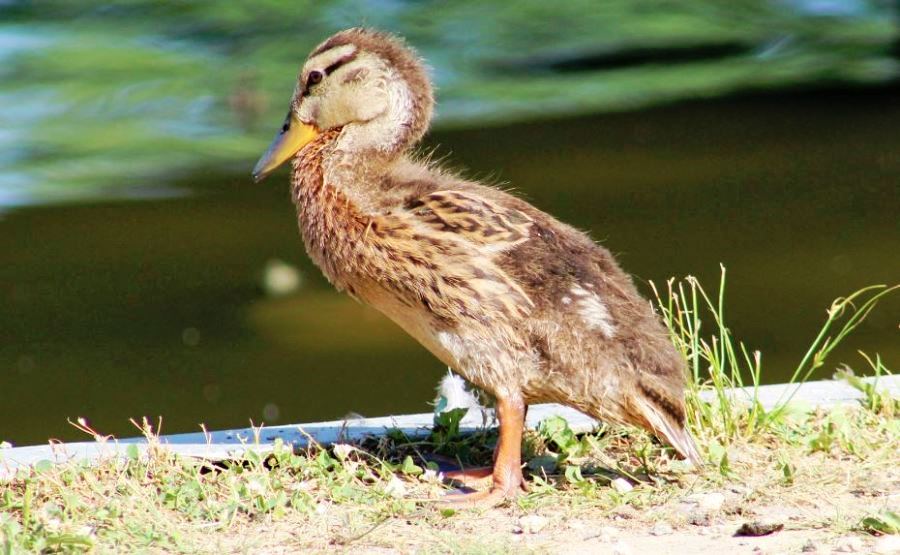


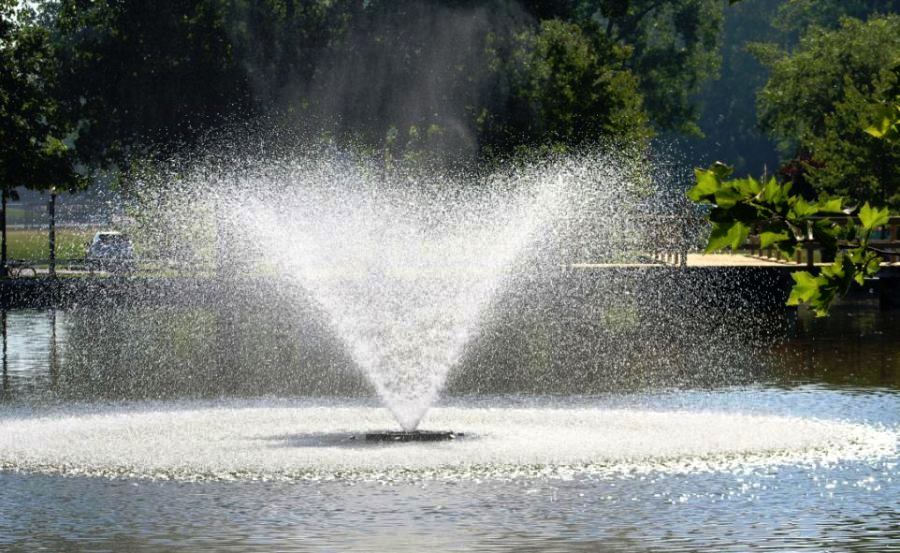
The fountains on either side of Coan Lake were not turned on and this female Mallard relaxed, like Queen of the Hill, on this perch while preening and enjoying the morning sun.

Woe would be this little lady when the sprinkler system was turned on and water gushed up! Not only would it likely be chilly, but I wondered if the force of the spray would knock her from that perch? It gushes mightily as you see below when it was turned on later.
Taking a gander at the geese.
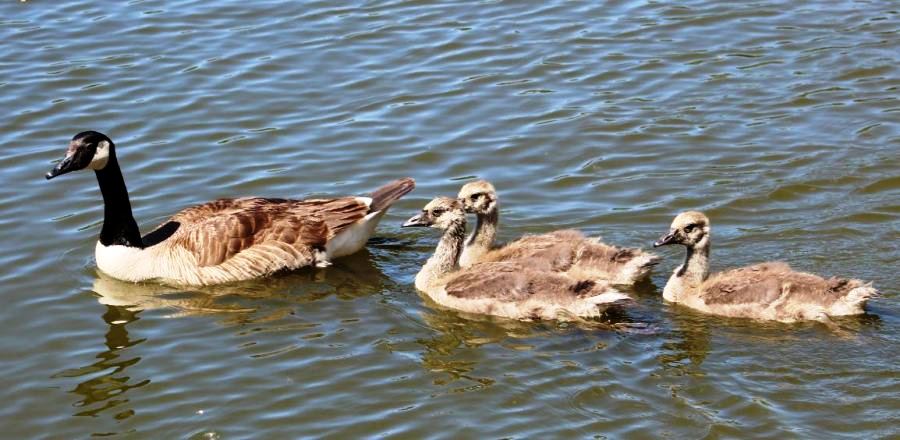
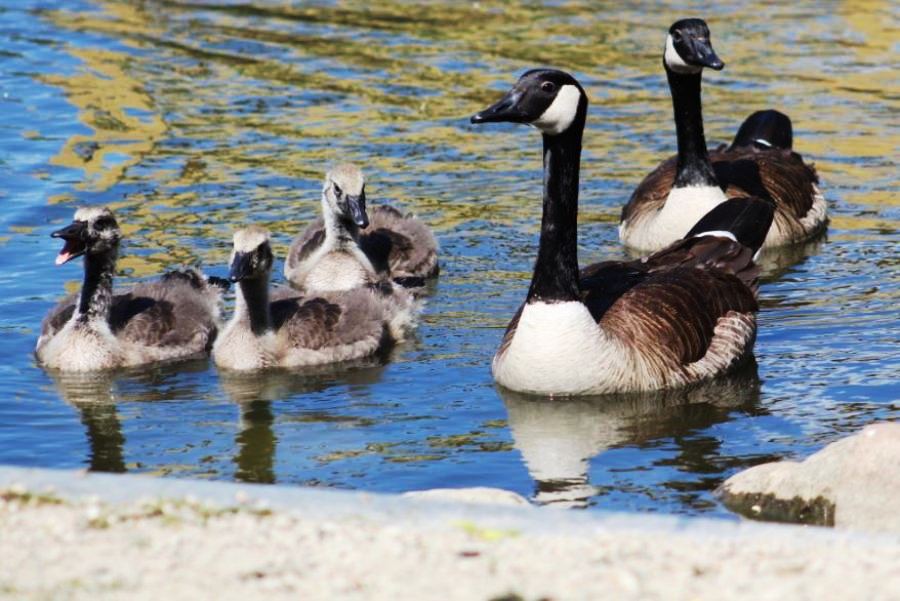
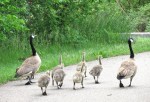
Heritage Park is large, but all the waterfowl congregate around Coan Lake. There are not that many families of geese and I looked for the parents who sadly had just two offspring, (as opposed to the usual six or seven or more), that I featured in an earlier post this year. I didn’t find them, but there were these proud parents and their trio of youngsters.
After spending a peaceful hour at the waterfront, it was time to cross the covered bridge over Coan Lake and into the historic village.
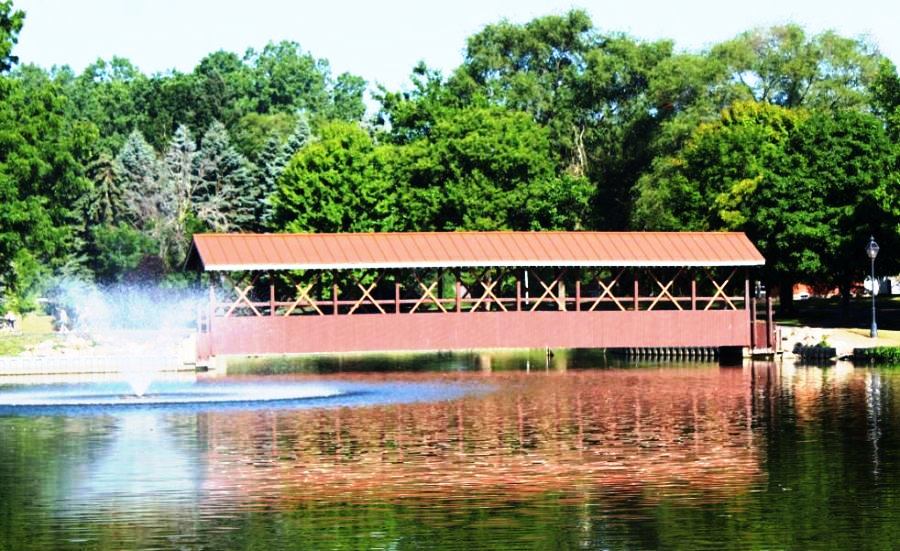
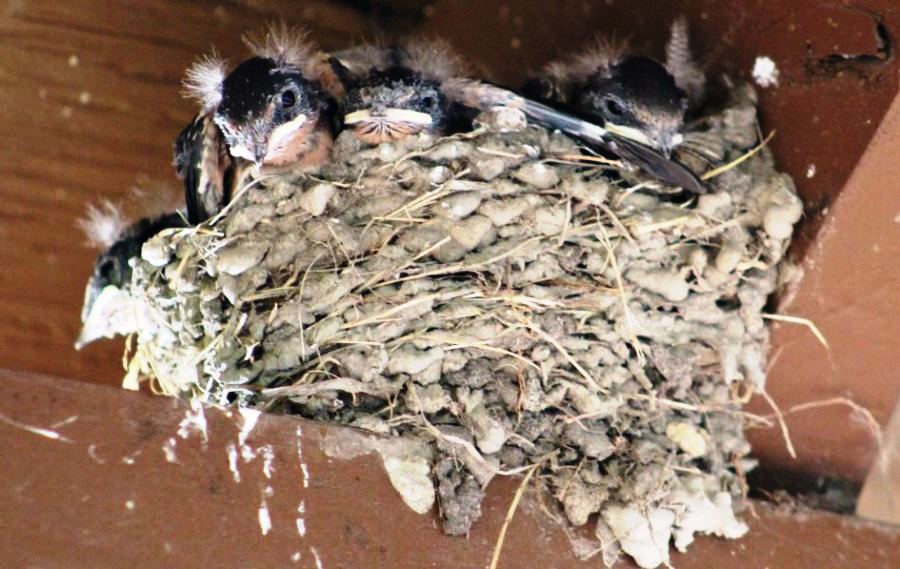
I was the only person on that bridge, so as I ambled across I paused halfway to gaze up at the fairly high rafters and scope out any Barn Swallows or nests filled with babies. Here is a close-up of the underside of the covered bridge.

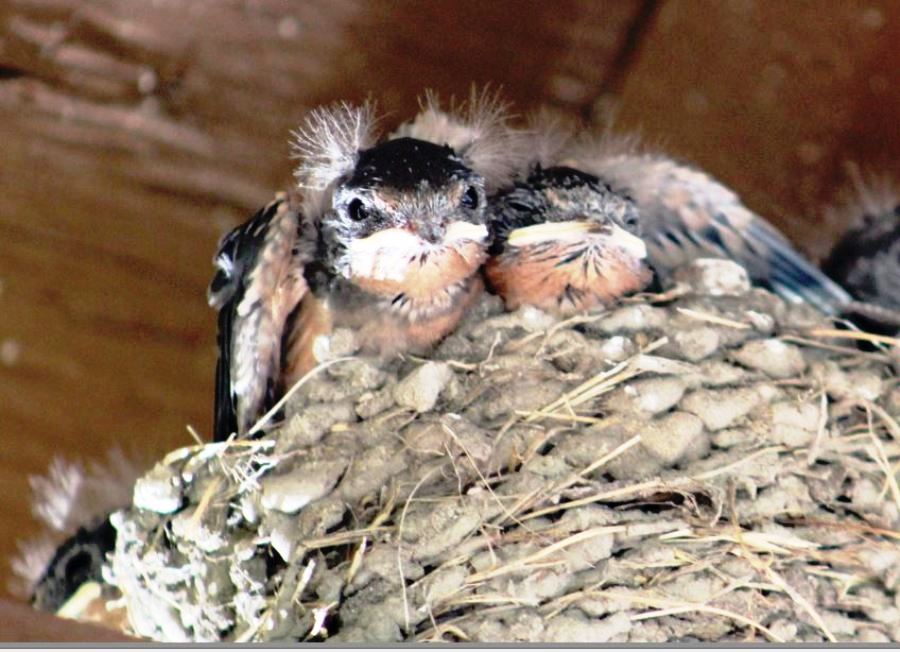
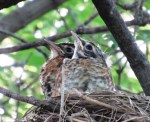
In the past I’ve been fortunate to see the nests brimming with youngsters. The nests are fashioned out of mud and puttied onto the bridge rafters by that same mud. The former pictures weren’t that close up though. Well, it was my lucky day! Swallows are always buzzing around the bridge, capturing and eating insects as they swoop and dive. They rarely pause but a few minutes to rest on the seawall or the big boulders near the bridge, but this time of year, you’ll see them detouring to the rafters and that’s to take food to their young. Have a look at the hungry baby Barn Swallows awaiting their morning meal. (Talk about expectant faces and no, I didn’t bring you any bugs – sorry guys!)
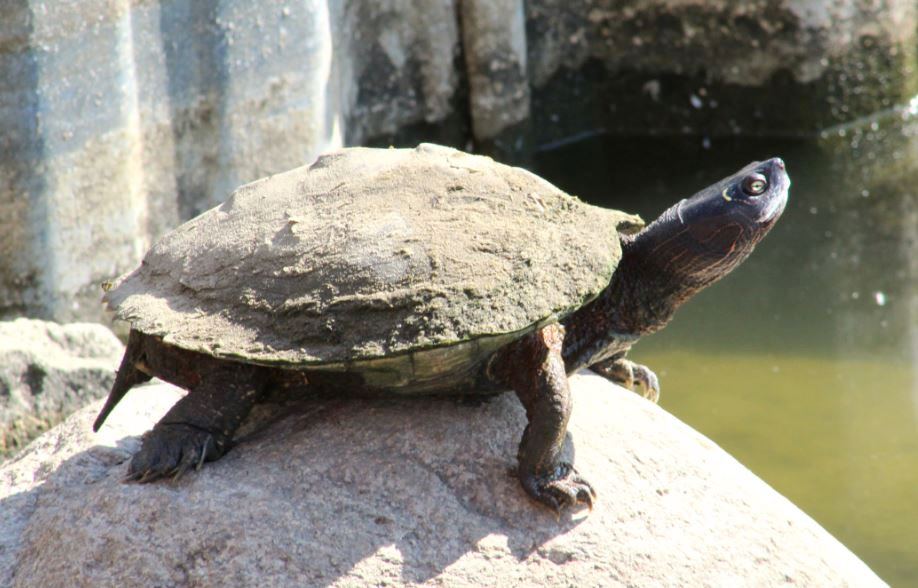
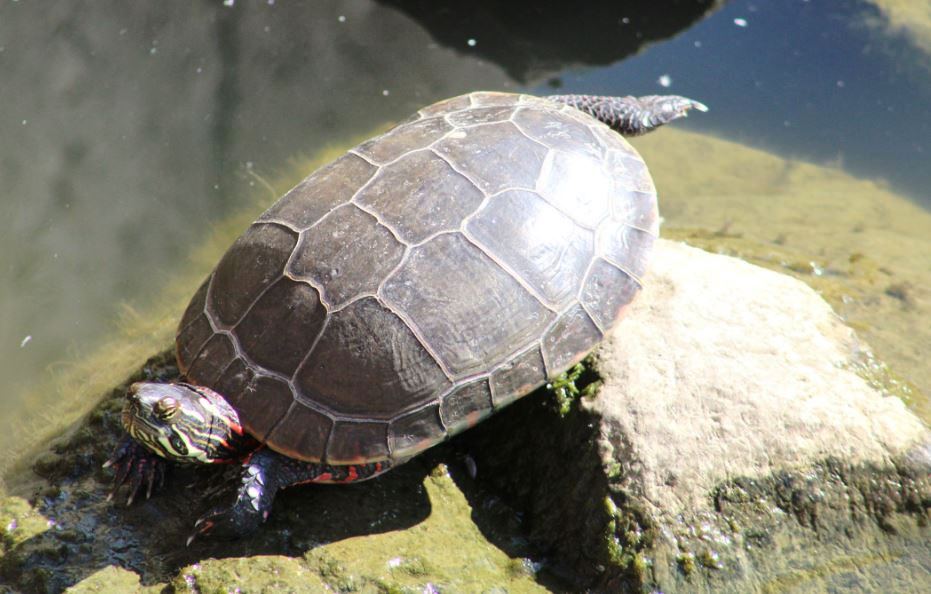
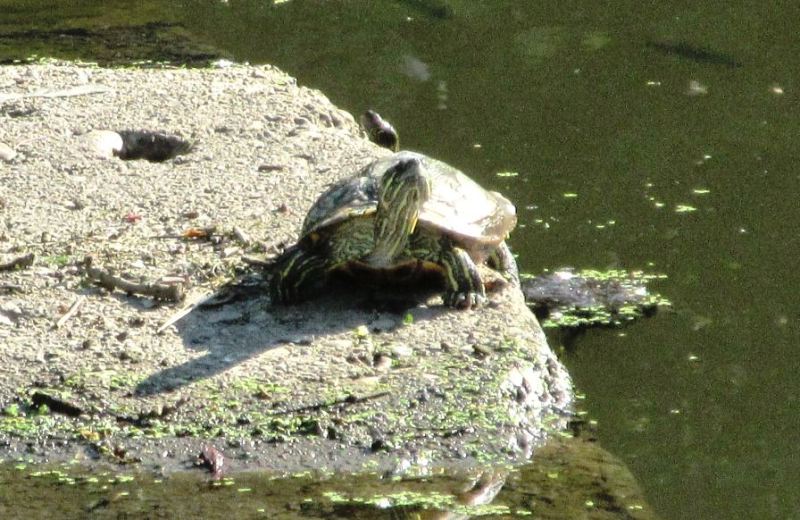
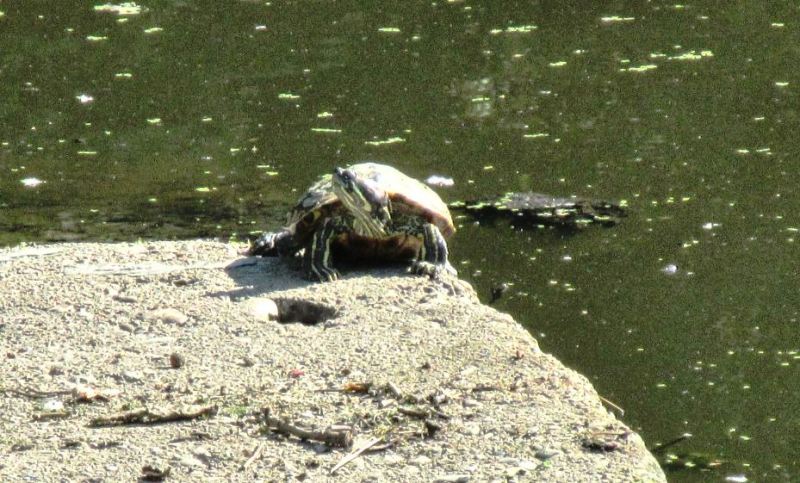
It was a lucrative trip across the covered bridge … photo-wise that is. I saw these two grumpy-looking turtles basking in the morning sun. One must’ve had a dirt bath and the other was spanking clean.
I crossed into the historical village area and took a few photos which regular readers will recognize as the Little Red Schoolhouse, Fitz Caboose and boxcar in the background, old Water Mill and the Gazebo.


I was not ready to go home yet and spent another few hours checking out the Taylor Conservatory and Botanical Gardens and Goodwill Gardens. The former was ablaze in color with perennials and annuals and the latter, despite getting a slow start due to COVID-19 and the garden area being closed down, was brimming with goodness to be donated at local food banks, as well as gardeners who lease private plots to tend to flowers and veggies for their own personal use. I will spotlight these two portions of my Heritage Park trek in upcoming posts.


























 Linda Schaub



























 WALKIN', WRITIN', WIT & WHIMSY