
Wordless Wednesday – allow your photo(s) to tell the story.


Wordless Wednesday – allow your photo(s) to tell the story.
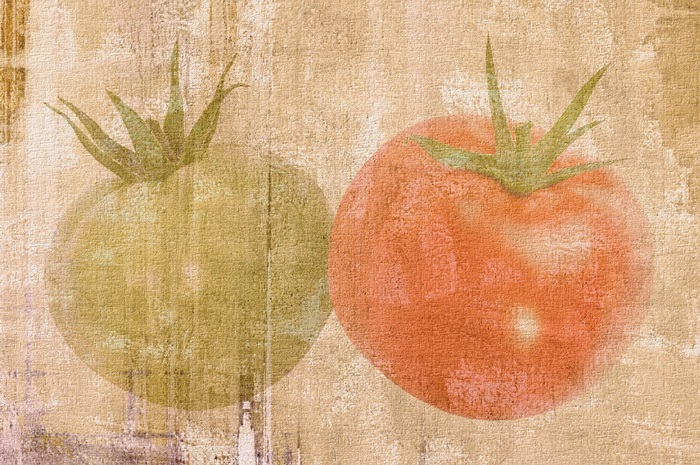
It’s National Grandparents Day 2023, a Hallmark-type holiday to collectively celebrate and honor our grandparents. I never met my paternal grandparents as they both passed away when my father was in his teens, but I’ve written at least a half-dozen posts reflecting on my maternal grandmother, Minnie Goddard. I suppose I’ll eventually run out of anecdotes about “Nanny” as I fondly called her, but I still have a few more up my sleeve.
I actually planned this post for Grandparents Day 2022, but due to Queen Elizabeth’s passing a few days earlier, instead I focused on the topic of tea, a beverage Queen Lizzy and Nanny both enjoyed.
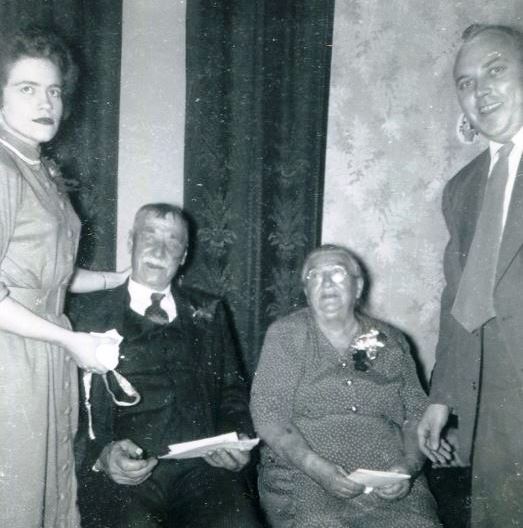
As most of you know, I have no siblings and no family members. Through the years, Mom used to tell me about visiting HER grandparents, 60 miles away, always on holidays and every Summer. Mom said she was close to her grandmother. Here she is with her grandparents. I assume the first picture was taken at some type of celebration judging from the corsage and dress clothes (her cousin Ted is to the right).
This photo was taken at her grandparents’ farm.
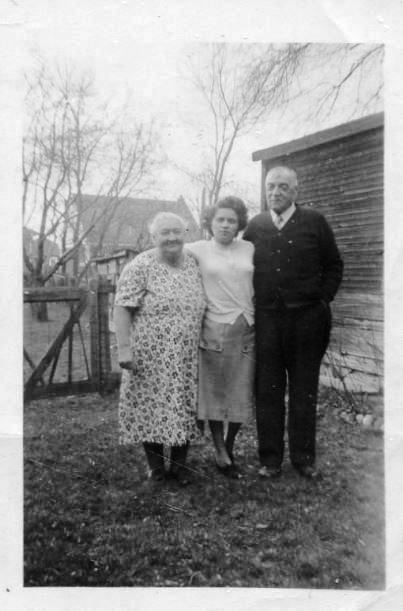
Mom was devastated when her grandmother passed away in 1953. Her opinion of her grandfather was that he was a cantankerous old man, an opinion I shared about my own grandfather, including in this forum.
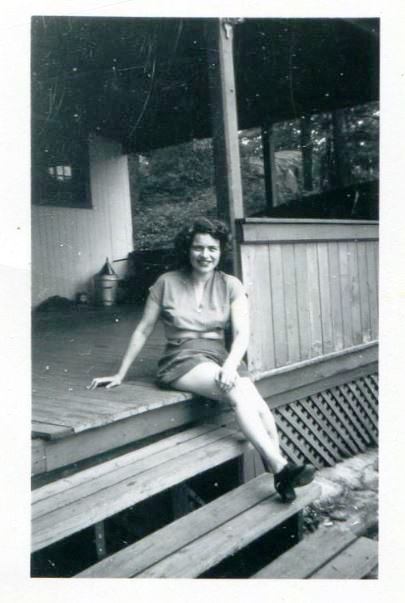
Mom would recount how on hot Summer nights, the entire family would cool off by sitting on the wraparound porch. Here is a photo of Mom on that porch.
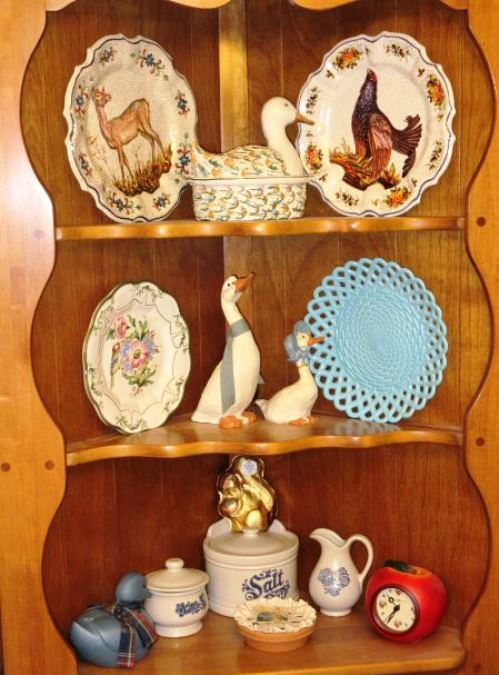
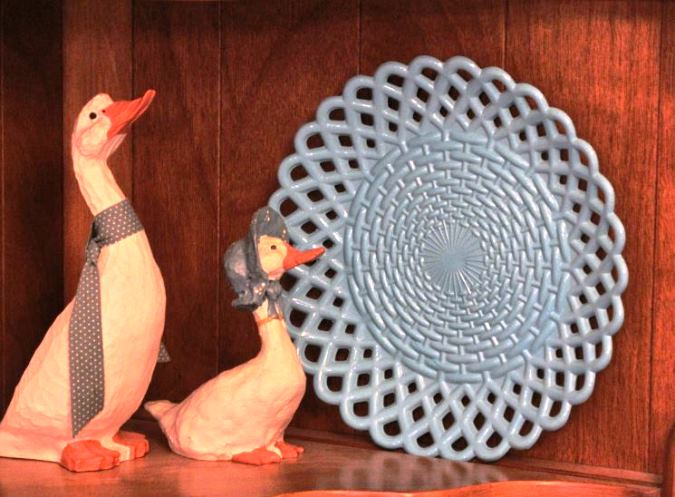
When the Ariss homestead was to be sold after her grandfather’s passing, Mom asked for two items from her grandmother’s kitchen, a blue cake plate and a teapot. These vintage items have been part of my country kitchen’s décor for decades.
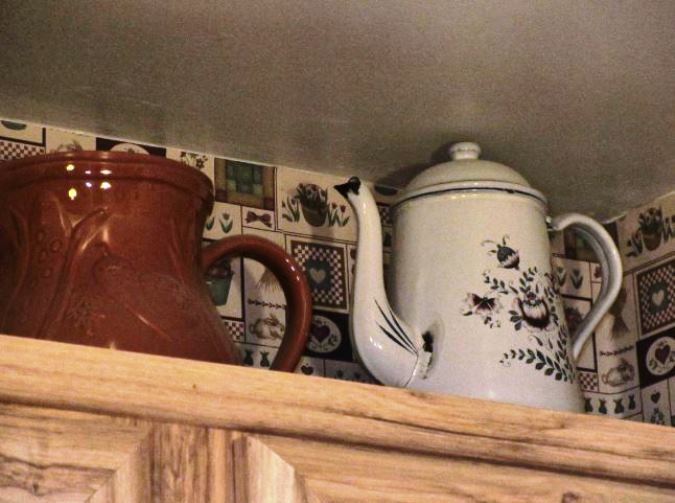
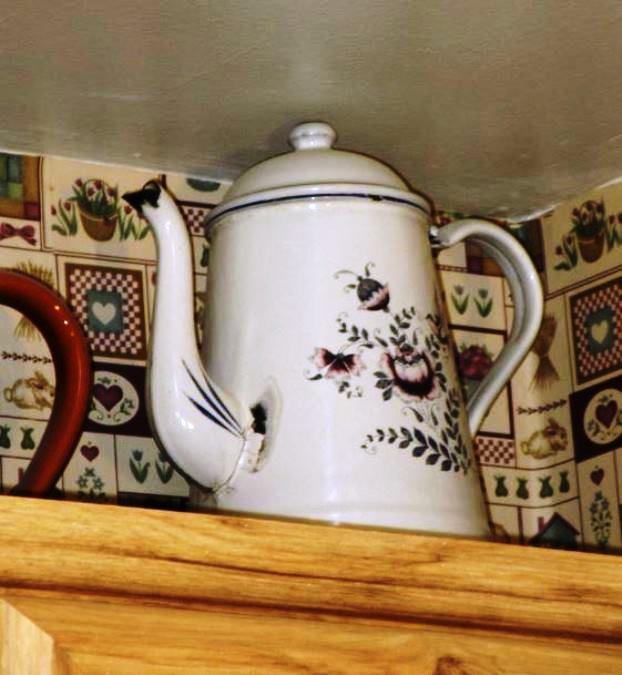
Each Summer when friends/fellow bloggers Diane and Ruth are posting pictures of the bounty of fruits and veggies from their respective gardens, it pulls at my heartstrings a little. The tasty rewards from their efforts remind me of my mom’s tales about her family’s annual August trip to her grandparents’ farm to help bring in the crops, harvest the fruits and veggies and “put up” the abundance of nature’s goodness for the long Winter ahead.
Likewise, when I got lost on a country road enroute to the sunflower festival a few years ago, I passed many driveways with makeshift produce stands. They reminded me of Mom’s stories about farm life circa 1930s – 1950s, plus triggered nice memories of my own family’s Sunday drives to country farm stands to buy tomatoes, new potatoes, green beans and ripe, juicy peaches for cobbler. Once home, we didn’t bother with the “B” or the “L” as we’d just have the “T” … sliced tomatoes on buttered toast. If I close my eyes I can picture Mom enjoying a juicy beefsteak tomato over the kitchen sink to catch the drips, the tomato in one hand, salt shaker in the other.
So many nice memories revolve around food and family don’t they?

MY grandparents were NOT a match made in Heaven. I’m surprised he cracked a smile in this photo. Nanny was without a smile however.
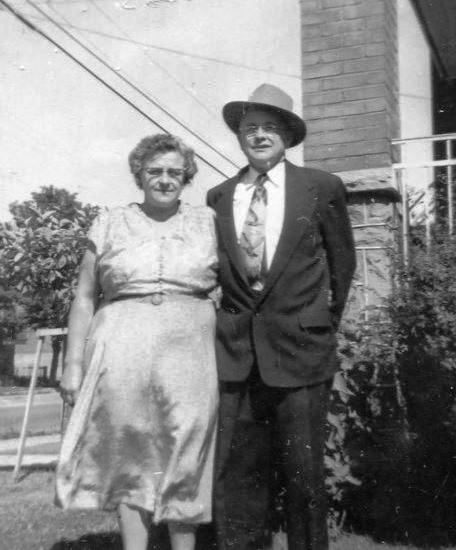
I truly believe the only thing my grandparents ever collaborated on was the annual ritual of making chow chow, a tasty tomato relish which I’d describe as a thick salsa. (Okay … well maybe they collaborated as to my mom, Pauline and her younger brother Ronny too.)
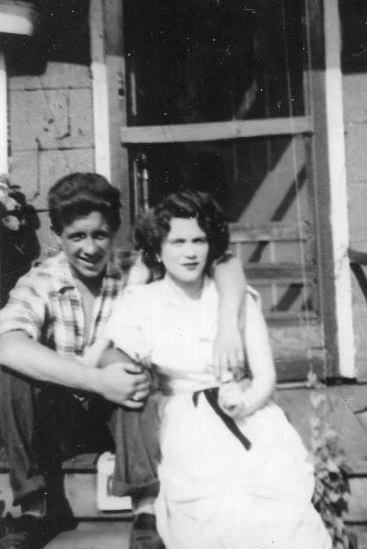
As to anything else, my grandparents fought like cats and dogs.
I never heard my grandfather call Nanny an endearment, let alone by her given name, Wilhemina, nor her nickname “Minnie” and instead he muttered and mumbled constantly, or grunted in response to anything she said to him, often cursing back at her. But then, she never called him “Omer” – instead she referred to him as “the Old Man” (he was 14 years older than her). They were a perfect example of how opposites attract – she was kind and gentle …
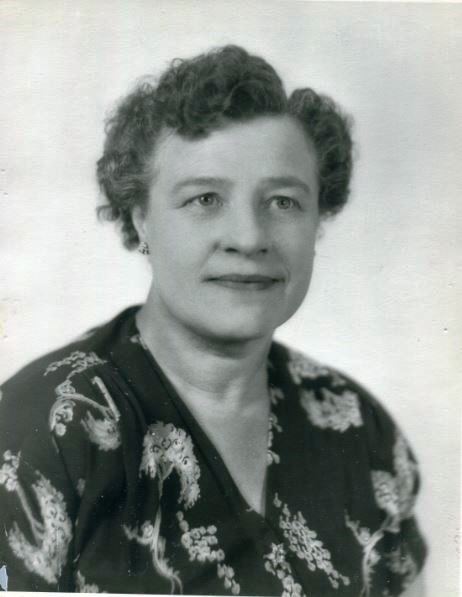
… while he was a miserable old coot.
But together they made quite the team as they turned out enough jars of green and red tomato chow chow to fill the shelves of their fruit cellar until the following Summer.
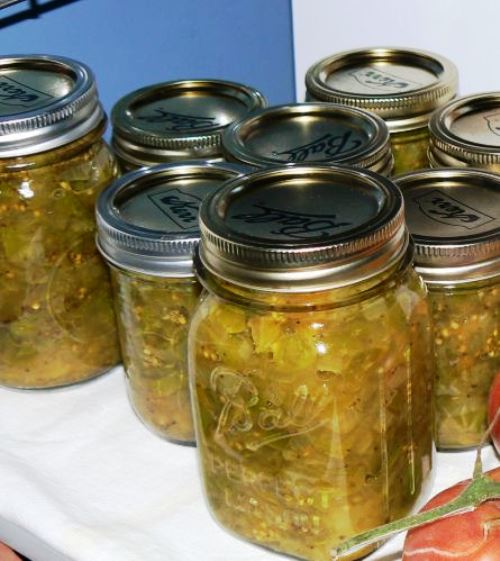
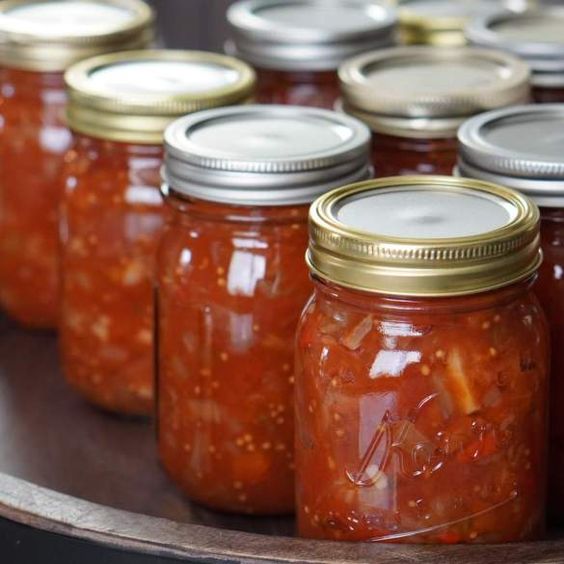
Those bushel baskets of green and red tomatoes, plus a lot of onions, came from Ariss, the “souvenirs” from their annual sojourn to the farm. They didn’t “put up” anything else to my knowledge and likely there was no recipe as Nanny learned the art of making chow chow from years of helping her mom.
Nanny was not a good cook, (just like me), except for her Sunday pot roast. If you were a visitor to the house, she’d fix you a ham sandwich and a cup of tea the minute you walked in the door (without asking you first), whereas my grandfather immediately went into the living room to watch wrestling or the hockey game, or he’d go and sit outside depending on the season. My grandfather made dinner every day but Sunday. Mom said she never knew if this was because Nanny’s cooking was so bad, or he got home from work earlier.
When the pair collaborated on making green and red tomato chow chow, my grandfather would sit in the basement peeling and chopping onions, a matchstick with the sulfur part in the corner of his mouth to thwart the strong fumes and keep his eyes from watering. (At least that matchstick kept him from his usual foul mouth and outbursts that accompanied his ever-present sullen demeanor.)
After filling a big bowl with diced onions, he dutifully took them upstairs to join the tomatoes and spices which would then simmer in a huge pot on the kitchen stove. After endless hours, maybe even days, of this collaborative effort, the wooden shelves in the fruit cellar were lined with green and red tomato chow chow, which the family slathered on eggs, meat, ham sandwiches, or simply spread on toast. This ritual lasted for decades until my grandfather’s death in 1969.
When I was young and we visited my grandparents, Nanny would send me down the creaky wooden basement stairs to the fruit cellar to retrieve a few bottles to eat then and/or take home. Not only did I fear falling through the steps, I was afraid of spiders and the light from a solitary light bulb did not calm my fears in the least.
So how did this become an annual ritual? My great-grandparents, Andrew and Catherine Klein, had a farm in rural Ariss, a community near Guelph, Ontario. Nanny had eight siblings – there were three girls and six boys. One by one the boys grew up and married, settled in the area and farmed, like their father. The boys remained close to one another and led similar lives, but Nanny and one of her sisters moved to the big city, a/k/a Toronto, to escape the farm wife/farm life existence. Toronto was the hubbub of manufacturing, jobs were plentiful and the sisters got factory jobs right away and each eventually married, but always returned to Ariss for every holiday gathering.
Through the years Mom would be wistful about those long-ago, huge family gatherings at the Ariss homestead, even though the Summer get-together involved hard work and could hardly be defined as a vacation. For example, my grandfather had two weeks off from Gutta Percha & Rubber Manufacturing Company, a plant which made tires, hoses and rubber boots. My grandmother had an equal amount of time off from Planter’s Peanuts or Rowntree’s Chocolates, two factory jobs she held when my mom was growing up. During those two weeks spent in Ariss, they were immersed in a round-robin helping venture, from the elders to the rest of the extended family. My grandfather helped harvest the crops and bale the hay, while my grandmother joined her mother in the hot farmhouse kitchen.
I understand my grandmother had berry bushes everywhere, so there were lots of berries to pick for preserves, pies and cakes. Sometimes a cousin or two would run over from another farm to visit and they were relegated to berry-picking chores. The kids were dispatched with big buckets and told not to come back to the house until their bucket was filled to the brim. Being out in the hot sun and toting that heavy bucket might have made it tough being a farm kid back then in the early 1930s, but the cousins made it into a game and challenged each other to see who could pick the most berries. Mom’s favorite pie was red currant and for years, every Summer Mom and I would scour the local farm markets for a couple of pints of red currants so she could relive her youth and enjoy this tart and tasty pie once again. Mom would tell me the farmhouse screen door didn’t do a stellar job of keeping the flies outside and her grandmother would be swatting at flies sitting on a coffeecake in the back kitchen while asking her granddaughter “is that a fly or a currant Pauline – my eyes are bad?”
With the berry picking done, the cousins moved on to collecting tomatoes, still warm from the sun …
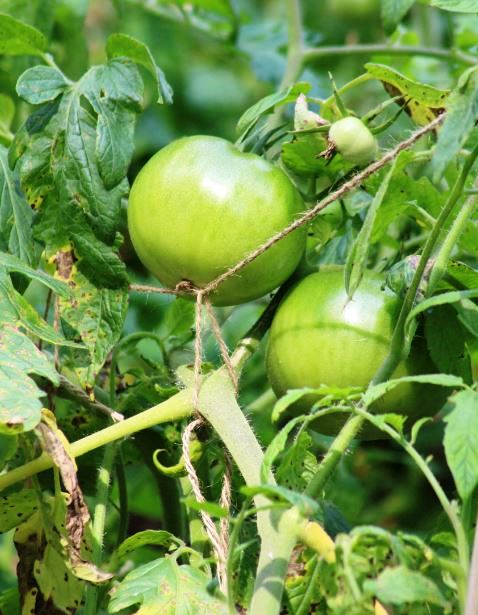
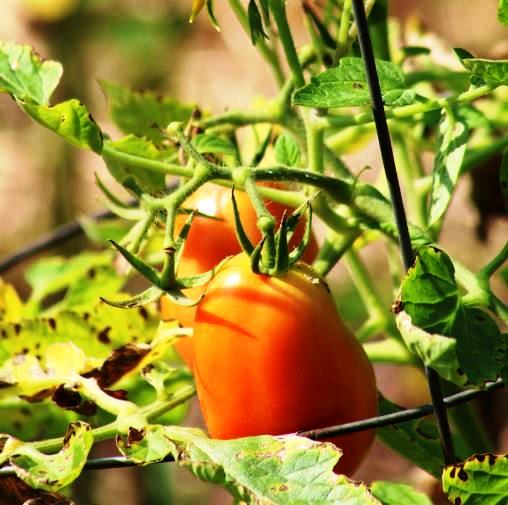
… then similarly toting them into the house so those tomatoes would eventually be turned into chow chow.
My mom never did any of the annual canning rituals like her grandmother and mother, but she always loved this tomato-y treat. Whenever we went to a fruit and veggie stand while out on a Sunday drive in the country, she’d always be scanning their offerings for a similar product.
One time I went to pick up some holiday goodies for Christmas at a local Honey Baked Ham store and saw they had red tomato relish. I brought home a couple of bottles which were gone almost immediately as Mom declared they tasted just like what she remembered, so I bought her a case for her Valentine’s Day birthday and tomato chow chow became a regular staple in this house until the store stopped carrying it.
If you’re wondering why you never heard of tomato chow chow, Google confirms it is a Canadian treat, (though not as famous as poutine). 🙂
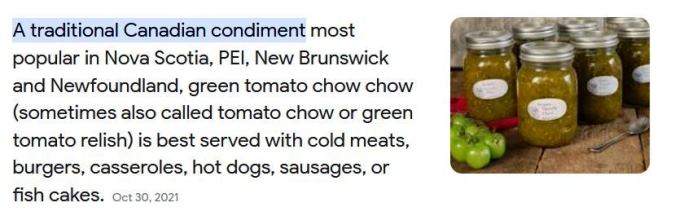
Here is a recipe for it (click here).
Ceramic decorative tomatoes are more my style as you see in this kitchen countertop picture.
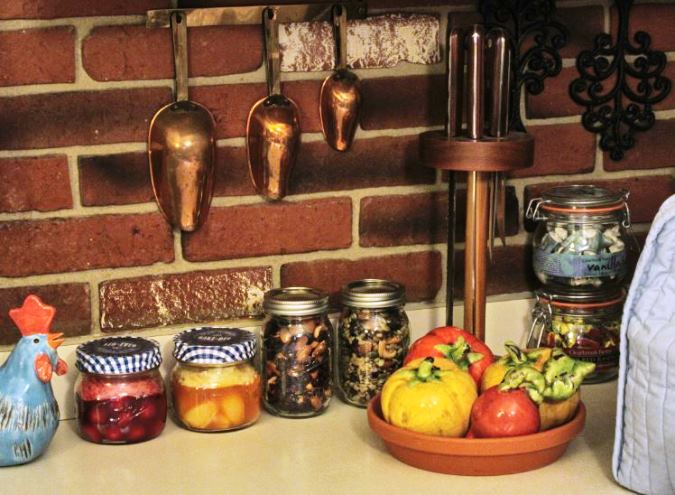
Family faces are magic mirrors. Looking at people who belong to us, we see the past, present and future. ~ Gail Lumet Buckley
Happy Grandparents Day if it applies to you.
[Photos are my own except for the chow chow pics and tomato meme obtained from Pinterest.]
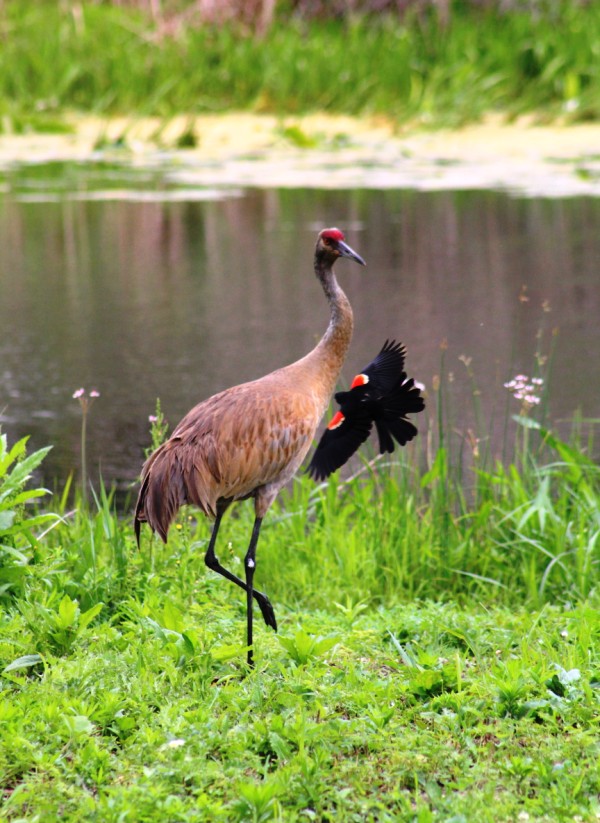
Wordless Wednesday – allow your photo(s) to tell the story.
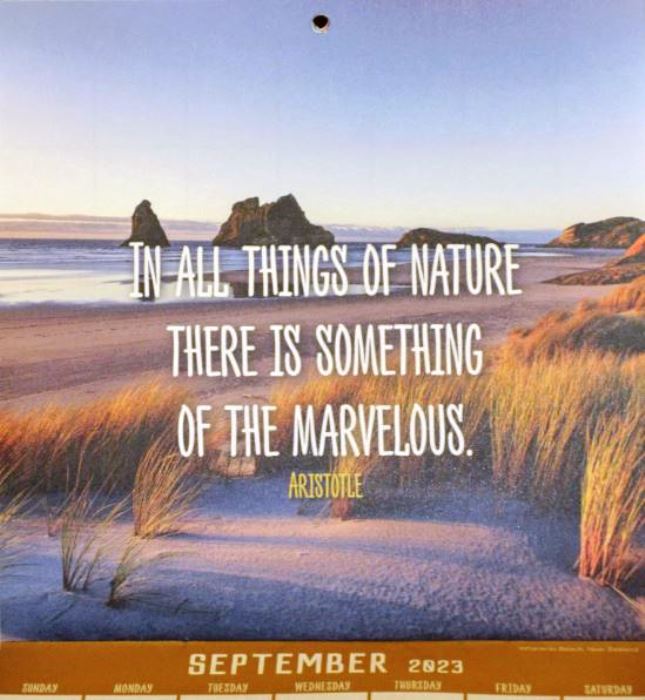
Happy Labor Day! Today’s post features the first calendar page of the new month as its header image. The venue is Wharariki Beach in New Zealand. I love the quote and agree – do you?
Planning for weekend walks is exasperating in the Summertime. I keep a list of Summer festivals handy, not to attend them, but instead to stay clear of them, as it means blocked-off streets and traffic snarls, which, compounded with perpetual construction, is a pain. But the biggest factor that hinders long weekend walks is the weather.
Such was the case on this walk taken on Sunday, July 9th. I spent the long Fourth of July holiday working in the house, trying to declutter, after walking each morning at Council Point Park … all hot, humid days – ugh. Thus, my first day back to work after the holiday had me already eyeing the weekend weather ahead … yay, both days looked promising with no rain and bright skies, perfect for long walks and enjoying some “me time”. But, by Friday afternoon the great weather forecast suddenly imploded … “sorry folks, while Saturday’s not a total washout, we will have rain and storms several times, so be sure to be weather aware as you go through your day.”
Okay, so Sunday would be my day. Then Sunday’s 5:00 a.m. weather forecast called for a chance of rain and cloudy skies would rule until late afternoon – sigh. I hopped online and saw a 6% chance of rain. Did I really want to be in the middle of this 1,600-acre park with its three-mile-long shoreline and it pours down raining? So, with some trepidation, I set out anyway, figuring I’d be back long before the late afternoon rain began.
Driving through the Park I decided due to the rains/storms the day before, the Cherry Island Trail and Trapper’s Run Trail would be soggy and muddy; likewise the area around Luc’s cage has muddy patches as well. Cove Point with its paved trail was a safe bet, I could park nearby and check out the progress of the Lotus beds after all the recent heat and humidity.
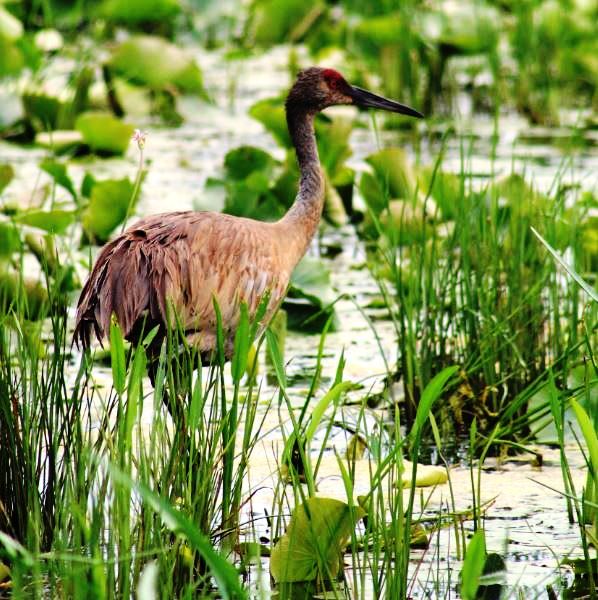
As I drove along the road leading to Cove Point, I remembered to look near the Shore Fishing area to see if, by chance, the Sandhill Cranes and potential offspring were still in the same area as last time.
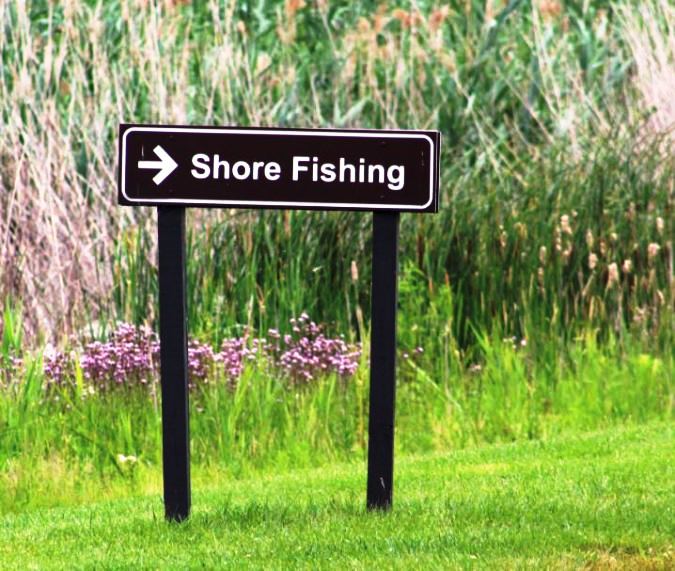
It was my good fortune to see the adults, strolling right next to the small Shore Fishing parking lot. I pulled in, parked quickly and hopped out. One glance at the sky told me I would take those Crane shots, peruse the Lotus beds and get the heck out of Dodge very soon.
I closed the car door as quietly as I could to avoid spooking the pair, then scanned the grass for a Colt (Sandhill Crane baby), but saw none. I guess the pair found me harmless as they returned to grazing, preening and occasionally stepping around to forage for something new and tasty. Lucky for me, I could tell the grass was freshly mowed, so no worries about tick risks like last time.
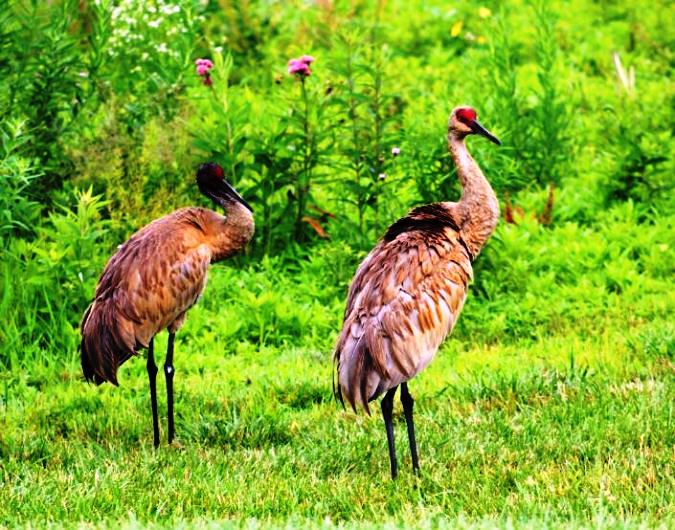
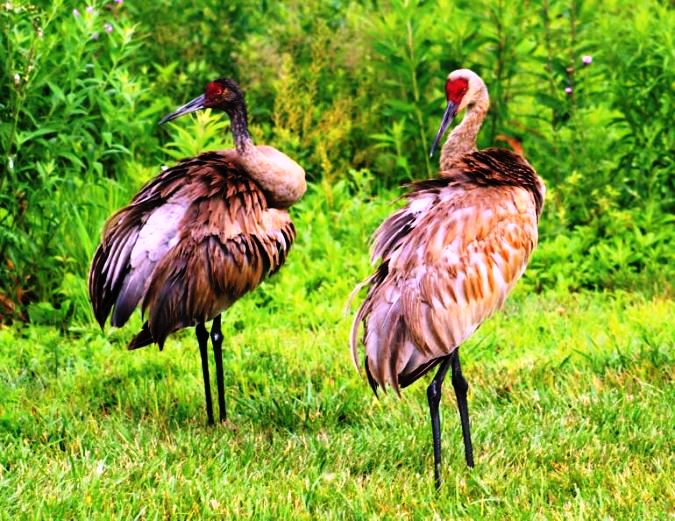
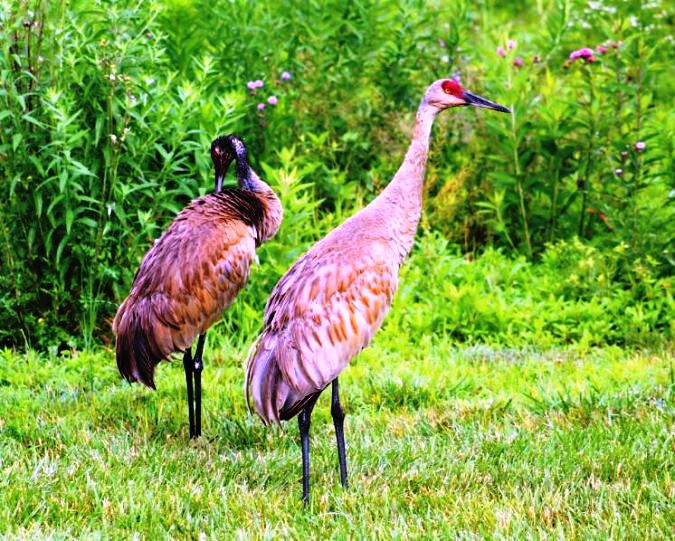
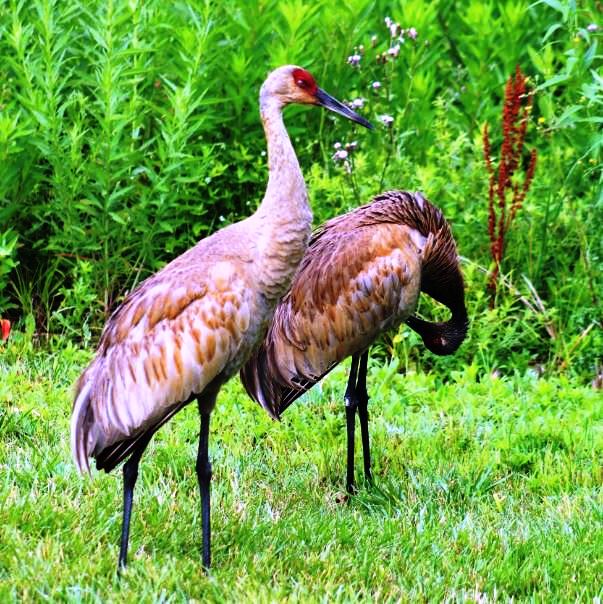
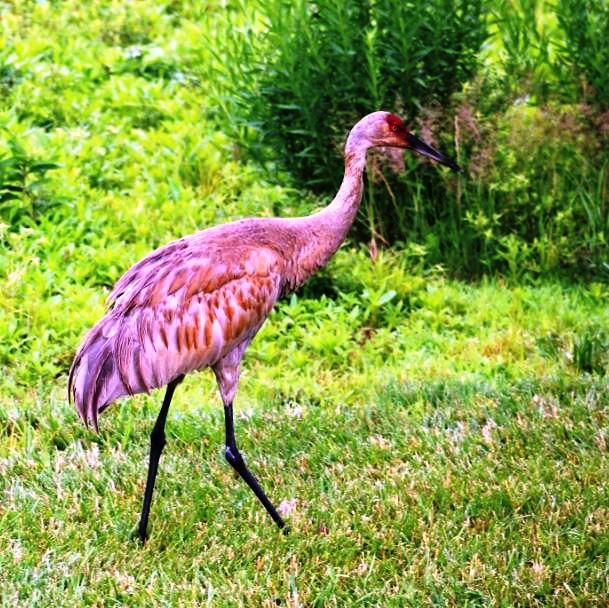

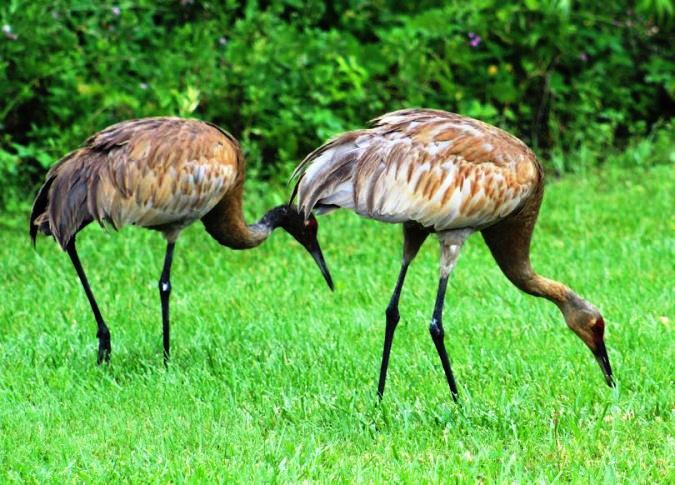
The pair meandered around and I got pretty close to them until they headed to the water in an area where I saw them last time I was here.
I decided to climb up the hill to the offshore fishing vehicle bridge …

… but they quickly embedded themselves in the reeds.

I figured I had enough shots of them anyway, so I whirled around to walk up the hill, then saw a flash of white across the street; “Egrets” I told myself, but hustled over the vehicle bridge road to find a pair of Mute Swans and their three cygnets huddled in a corner of the marsh.
I was lucky to get this shot …

… before the family queued up and sped away, the parents, like bookends on either side of their cygnets.
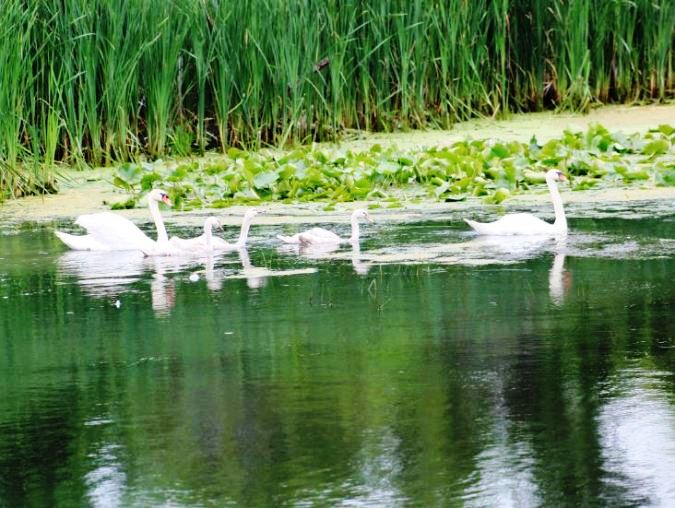
In no time, they crossed the marsh.


I headed over to Cove Point …
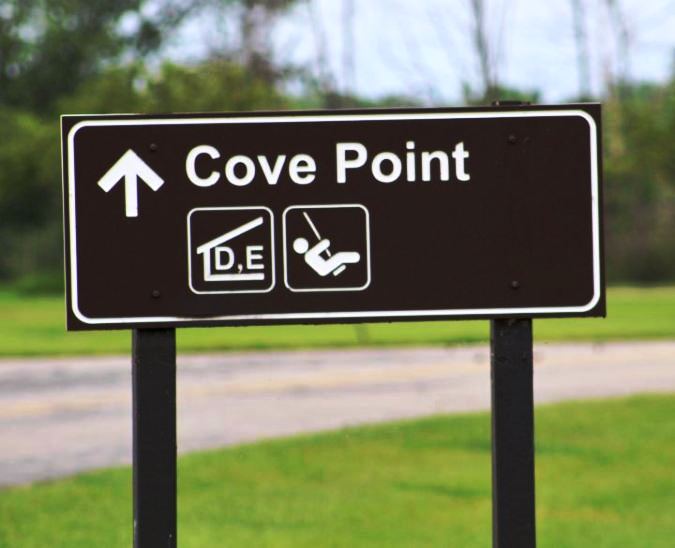
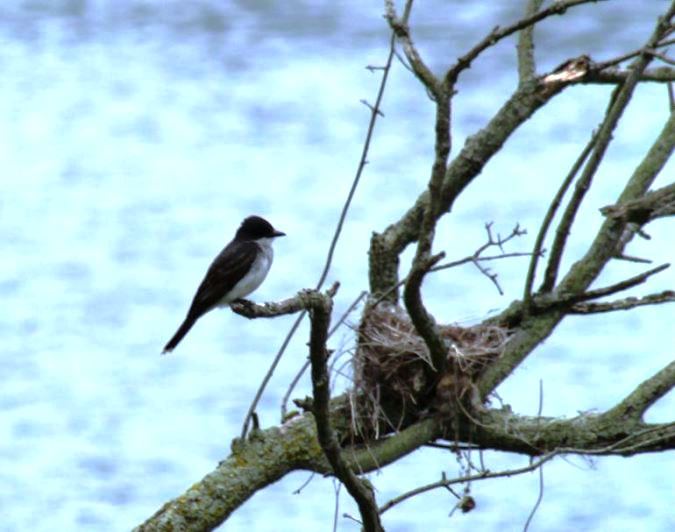
… where I spotted this fairly large bird guarding a nest that rested on a tree branch. Later, doing a reverse Google image search, I learned it was an Eastern Kingbird.
With an eye to the sky, I sped over to the wooden overlook and peered at the marshy mess … not just alliteration here … green goop was everywhere. Pond Lilies floated on green swamp gunk in the lagoon – just pads as no blooms had formed yet.
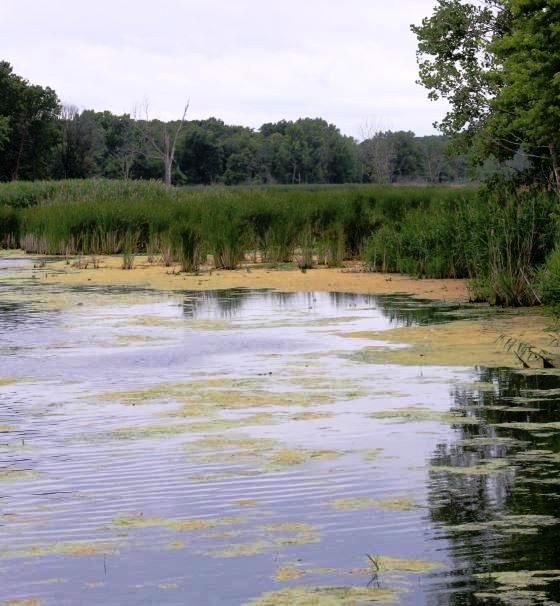
On the other side of the overlook I glimpsed the biggest bed of Lotuses which were still a work in progress. I snapped this photo of some trash looking like a shark fin.

Even the Herons and Egrets, ever-constant shore birds in the lagoon, were no-shows that day.
I retraced my steps then quickly exited the overlook to walk the Cove Point shoreline. At ground level I checked out the Lotuses which were scanty with no blooms. No surprise as they really don’t flourish until mid-to-late August.
A Mama Duck hurried her ducklings into a patch of raggedy-looking Lotus leaves, lest I want to take photos of them. I played paparazzi anyway, but you have to squint to see them and, just like last time, once I sorted through my photos, I discovered they were Wood Ducks, not Mallards – my second sighting this season – no Papa Wood Duck with his exquisite plumage was present though.

As I stood on the shoreline, I heard a loud squawking noise which I now recognize as the call of a Sandhill Crane. Surely those two skinny Cranes I photographed were not making THAT much noise. I looked up in the air – no Cranes passing overhead so maybe Mister and Missus were having a spat.
I kept glancing at the dark cloud over my head and decided to head back to the car. My timing was impeccable. As I got into the car, it started drizzling. By the time I got home it was a steady rain. I guess gambling on those rain chance percentages wasn’t too smart on my part. A 30-mile car trip, a 45-minute trek, with a bounty of birds to behold until Mother Nature played spoiler.
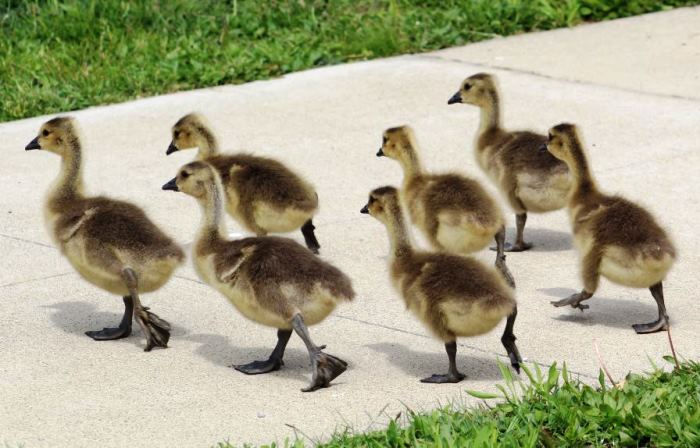
Wordless Wednesday – allow your photo(s) to tell the story.
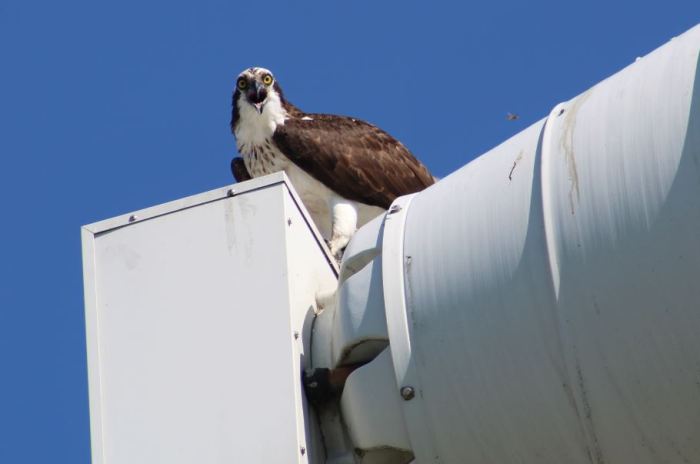
… returns to the nest empty-taloned!!!
You may recall my recent post about my morning spent at Lake Erie Metropark, the highlight being the face-to-face, er … nose encounter with the delightful doe in the woods. Then I capped off that wonderful walk by capturing some shots of the Osprey family at the nearby fire station.
So, when I returned to this Metropark on Sunday, August 13th once again I stopped at the fire station located on the fringe of the park. To my delight, the two Osprey chicks were sitting on the side of the nest and a very vocal Mama Osprey was uttering high-pitched chirps while scanning the skies from her perch on the fire station siren.
I grabbed the camera, excitedly calling to the group to “hold that pose please!”
Mama was restless, as she looked up, down and around, while wearing an angry scowl.
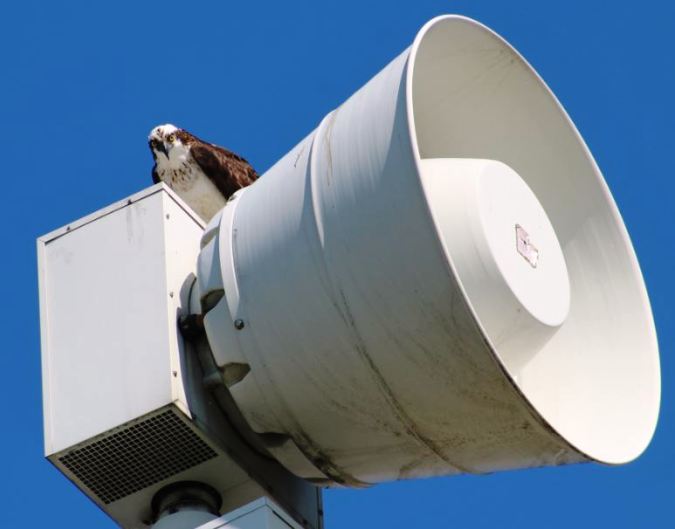
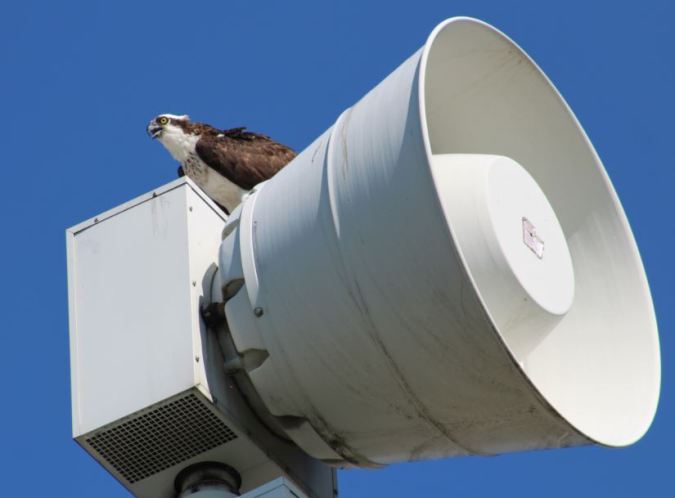
Here are Mama and the chicks.
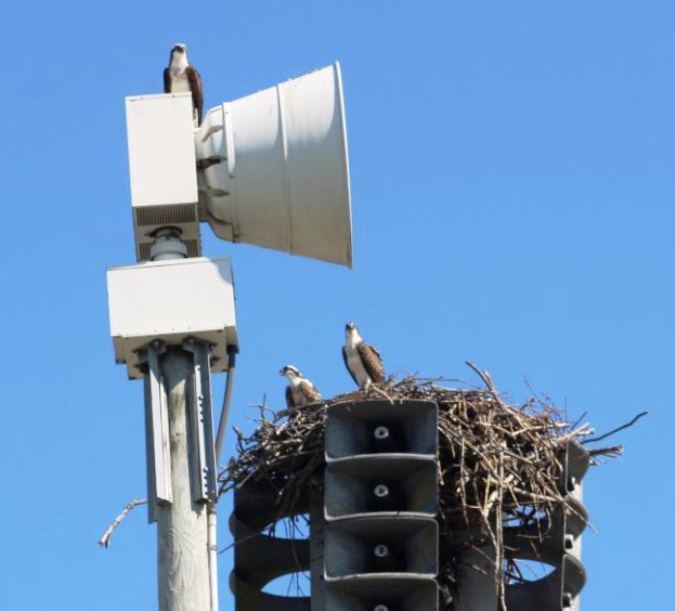
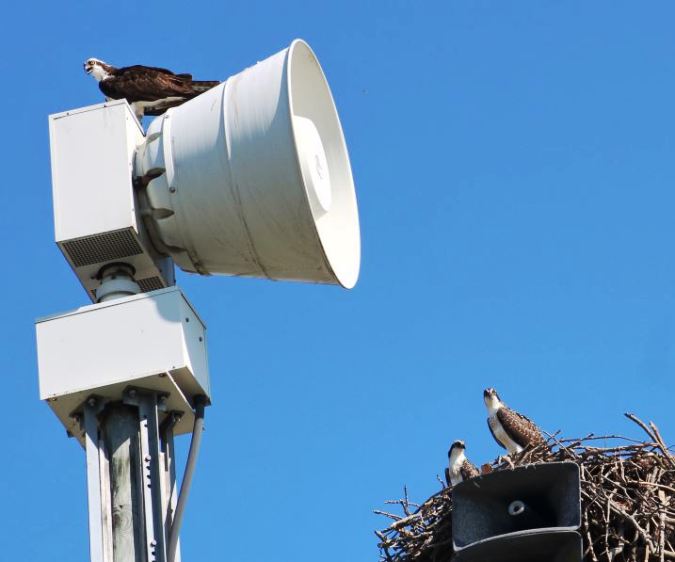
After about 10 minutes of watching the trio and taking umpteen photos, the hunter-and-gatherer, a/k/a the male Osprey, returned, similarly chirping away. Was he scolding me for bothering the family or announcing his arrival?
His nest stick-gathering duties were done for the year, but Mama and the kids were hankering for a nice fish dinner. But, as you can see, he only brought himself back to their humble and twiggy abode. Did he forget or were no fish to be found?
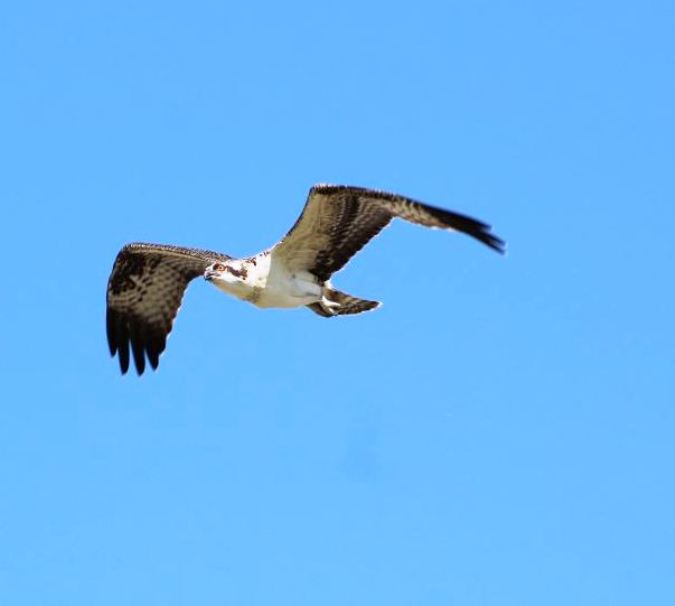
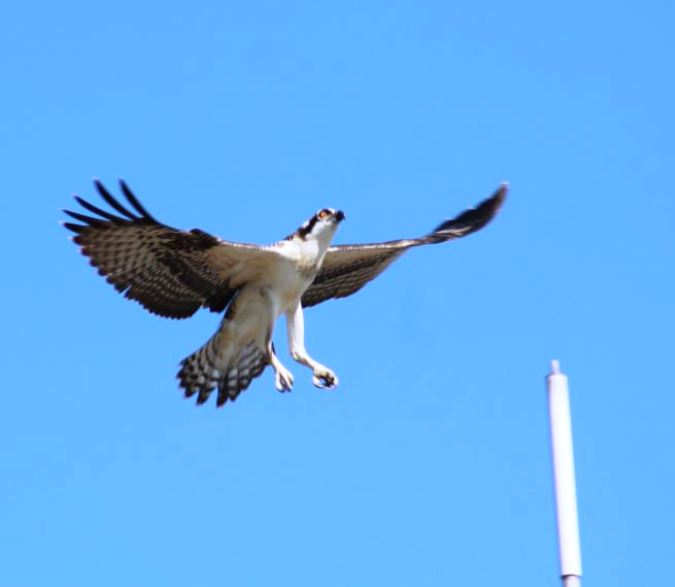
I watched as Dad plunked down onto the nest nearly knocking one of the chicks flying off the side; obviously grace is not his strongpoint.
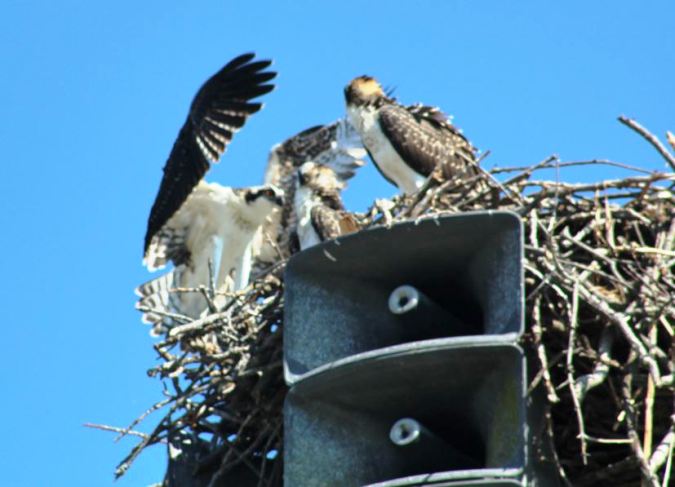
Everyone stayed put after Dad’s clumsy kerplunk. No further chirps nor angry looks were exchanged so I moved on. What a treat to see the entire family close up.
Note: I researched a little for this post.
First, how to tell male and female Osprey apart. Had the pair been perched side by side, I would have seen that the female was 20% larger than the male. They weren’t anywhere near one another, so I also learned that the female has a darker “necklace” at her neck and chest area than the male which has much lighter markings. That is evident in these photos.
I also wondered how long it takes for Osprey chicks to fledge and learned Osprey chicks, a/k/a “gulps” (who thinks up these crazy bird baby names anyway) fledge the nest 55 days after hatching. I first saw their tiny heads poking out of the nest on my June 18th, Father’s Day, visit, so 55 days would be August 12th. I was here a day later. Apparently the chicks will still use the nest as a home base until migrating in September and are dependent on their parents until they are able to fish for themselves.
Hmm – I hope Dad does better next time – perhaps he needs a bamboo rod and some popcorn? As you know, it worked for me!
Wordless Wednesday – allow your photo(s) to tell the story.
I know just what you’re thinking. You are looking at this blog post title and scratching your head. Where is Linda taking us today? Will this post be yet another melding of culture and nature?
Well, you know how sometimes blog fodder falls right into your lap? You really didn’t go looking for it and this was one such occasion.
My sole reason for strolling over to Memorial Park on Saturday, July 22nd was to photograph Swallowtail and Monarch butterflies. The past few years I’ve gotten some up-close and vibrant photos of the Monarchs converging on the orange Lantana and the Swallowtails posing perfectly on purple Coneflowers.
You know I cram a lot of walking and photo-taking at larger parks on the weekend, so I was already a little weary after almost four hours of walking at Lake Erie Metropark and Humbug Marsh and I was looking forward to a tall glass of something cold, but I told myself I had one more stop to make, bopping over to Memorial Park. I had not been there since visiting the Memorial Day flag display back in May. Now that I drive to Council Point Park every day, it is not the same as walking to and from the Park, then veering over a few blocks on foot to visit the volunteer gardens. Plus, we have had so many mornings with gray skies that you can’t tell if it is overcast due to impending rain or the result of the Canadian wildfire haze, so I’ve been leaving my camera at home most weekdays. But the brilliant and sunny afternoon, prompted me to pay a visit to this venue.
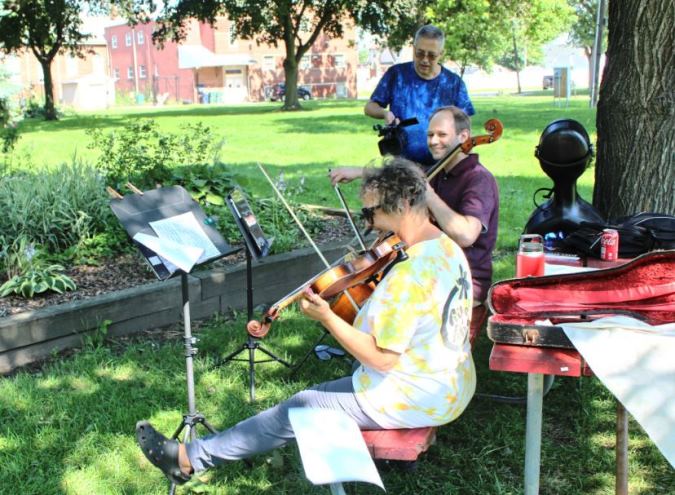
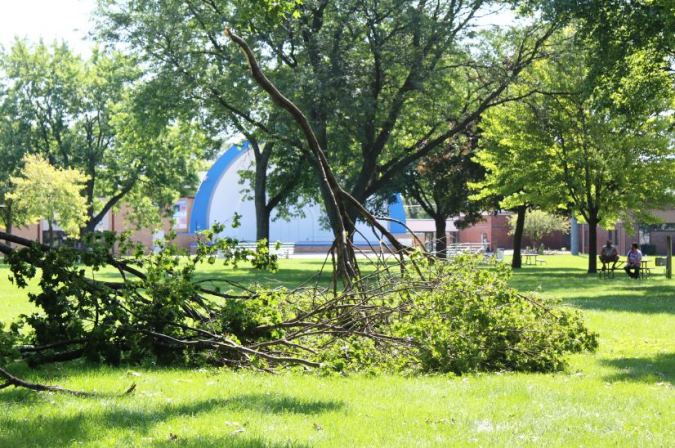
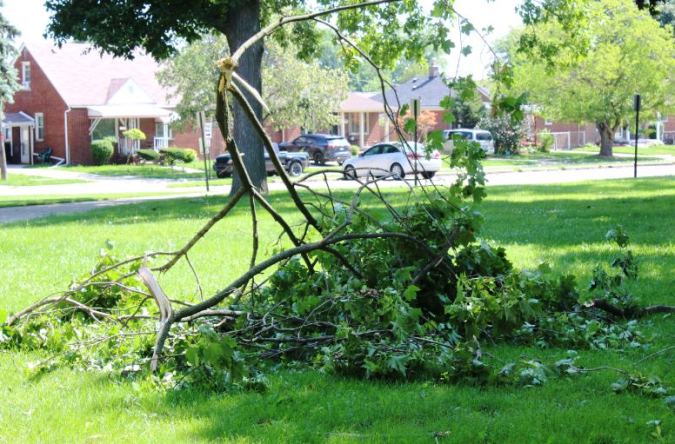
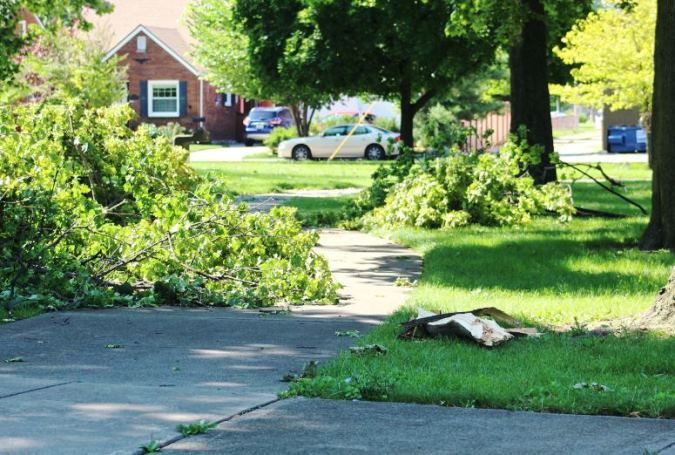
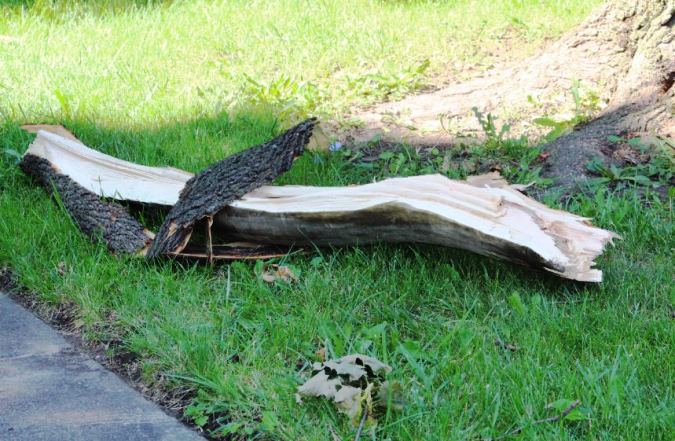
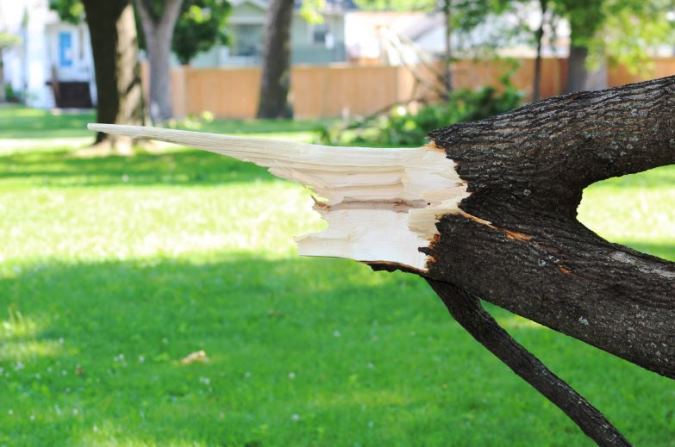
However, when I arrived at Memorial Park, assuming I would be alone to meander around the four raised bed gardens, I really didn’t know where to look first. That is because the most-recent severe weather had ravaged this park, leaving tree limbs and huge branches scattered throughout the grounds. Before I could move from where I stood transfixed while gazing at the damage, I heard the strains of a violin. A violin in the park? Very quickly Your Roving Reporter went to discover the “who, what, where, when, why and how” of this story. Every Thursday night all Summer the City sponsors free concerts at the Bandshell, mostly tribute bands. City residents flock to Memorial Park to hum, sing along or even dance to their music. We also have events featuring all-day/evening tribute bands battling it out. But those bands – that genre – is rock music, NOT classical music.
The butterflies would have to take a back seat for now while I investigated this phenomenon, dogging the source of the music like Detective Columbo. Thus a blog post began to percolate.
I crept up slowly behind them as I didn’t want to interrupt their concentration and yes, to get some photos. Just then another person appeared on the scene and he was holding a video camera and a microphone. The music stopped suddenly. I was introduced to the trio, first the musicians: Annette, the violist and Paul the cellist and then the videographer, whose name was Don.

I learned that these gardens were the last stop on the City’s Garden Walk.
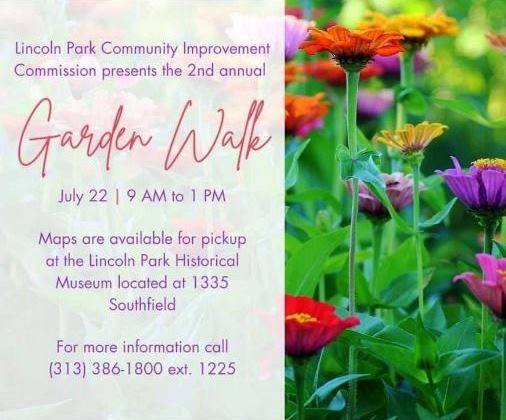
Yes, I already knew the Garden Walk was today, but in the past it was only residents’ homes, not public gardens. Who knew? The annual event resumed last Summer after a COVID pause. You have to go to the Historical Society, make a donation and then you get a map to each stop on the Garden Walk.
So, Annette and I chitchatted about which flowers are bee and butterfly magnets, then I asked if I could take a few more photos …
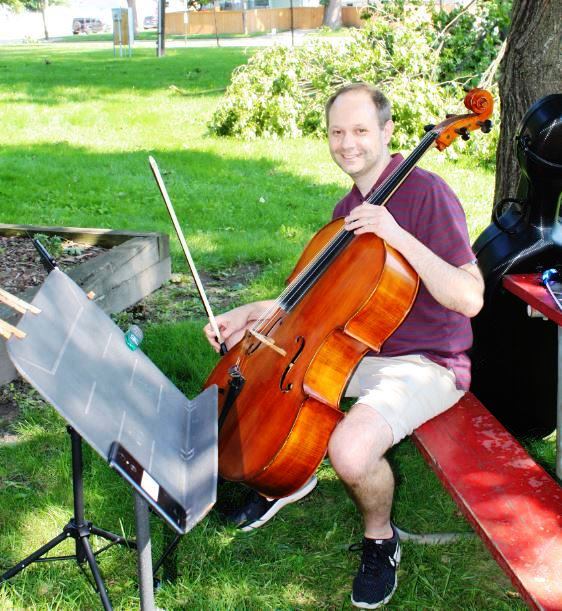
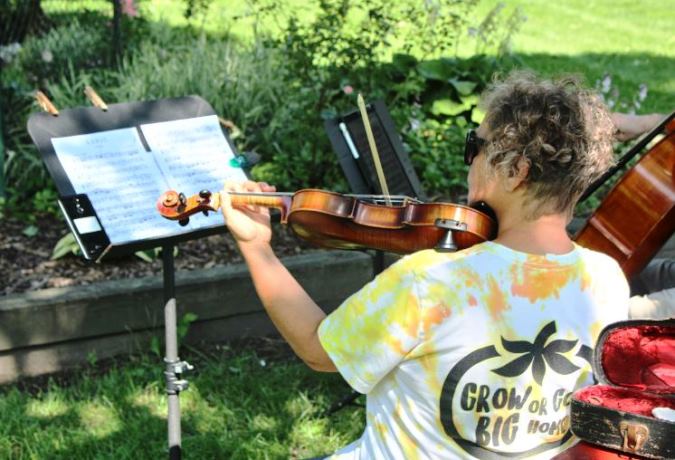
… then I moved along as the “tour group” began to assemble for Annette’s welcoming speech as she switched hats from violinist to gardener.

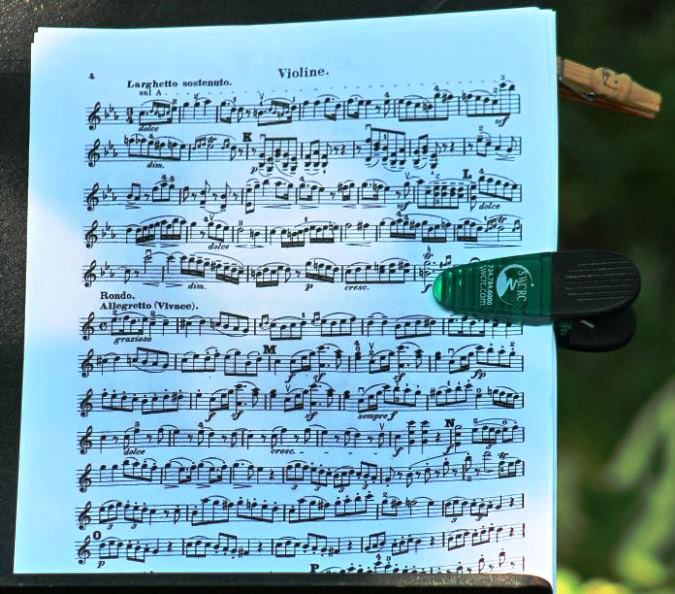
That gave me an opportunity to take pictures of her violin and sheet music.


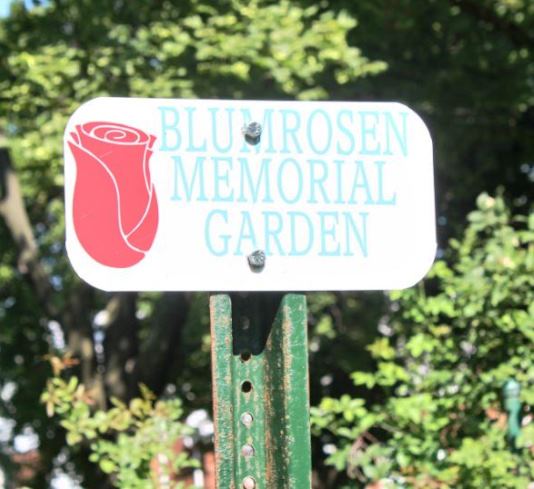
The flowers were scant unlike other years. That might have been from the drought-like conditions we had earlier in the Summer, but all that rain and searing sun in July should have produced prolific blooms, right? There were a few pretty flowers and a few roses in the Blumrosen Memorial Garden.


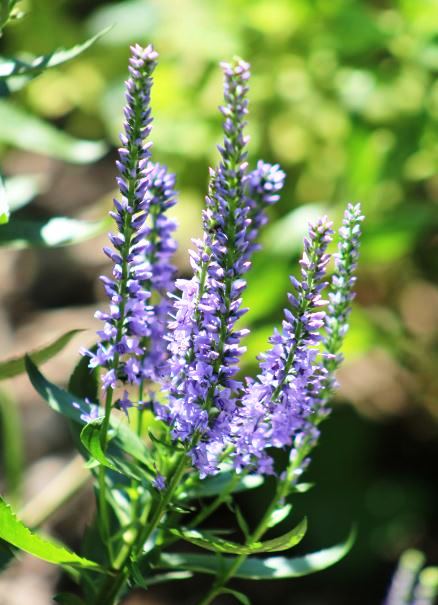
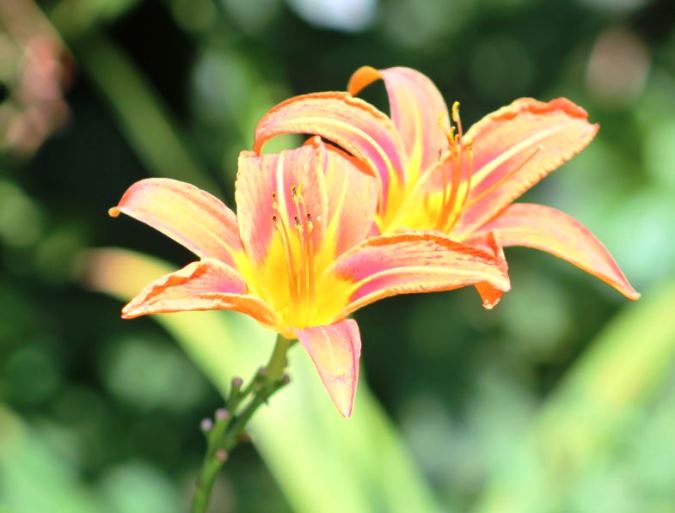

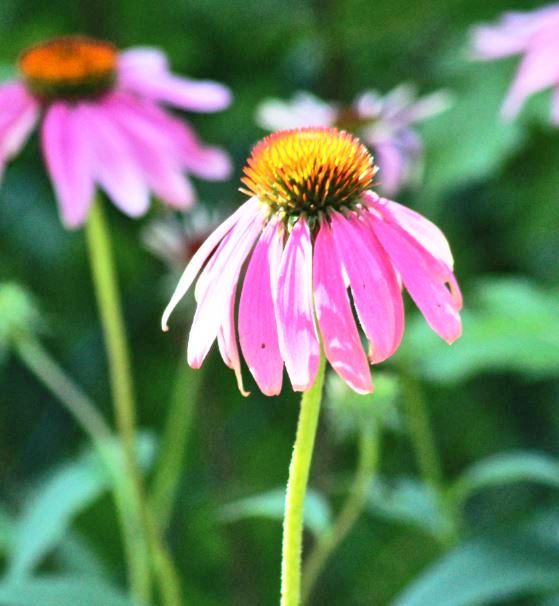
I went from one garden to the next – hmm. Where were the butterflies? I believe it when I read or hear about our beautiful butterflies slowly becoming extinct because, instead of the usual half-dozen or so butterflies alighting on Lantana and Coneflowers, my eyes honed in on a single butterfly on that visit, a delicate creature with wings so tattered I wondered how it could flit from flower to flower.
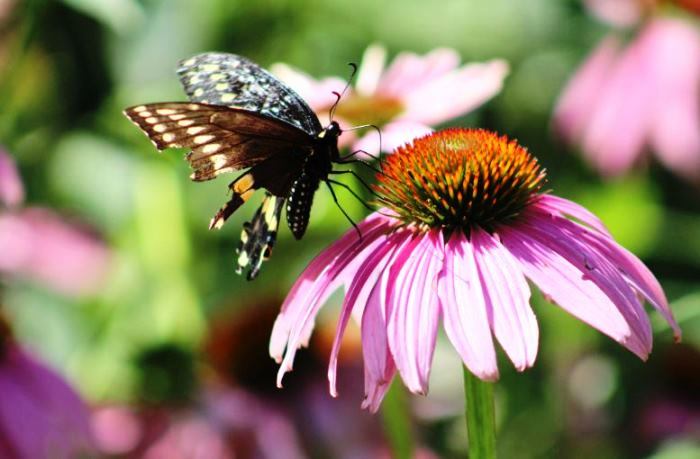
Well amidst a group of lackluster Lantana and droopy Coneflowers, a Black Swallowtail fluttered by. Its tattered wings did not impede it in the least. I took many shots of this butterfly. Here are some of my favorites, including the one up top. Look closely at those wings – however does it fly?


I was happy to kick July to the curb after a month of severe and scary weather. I assume this tree damage at Memorial Park had been the Wednesday before storm that ravaged large trees and scattered debris everywhere. These slideshow photos show some of the significant damage.
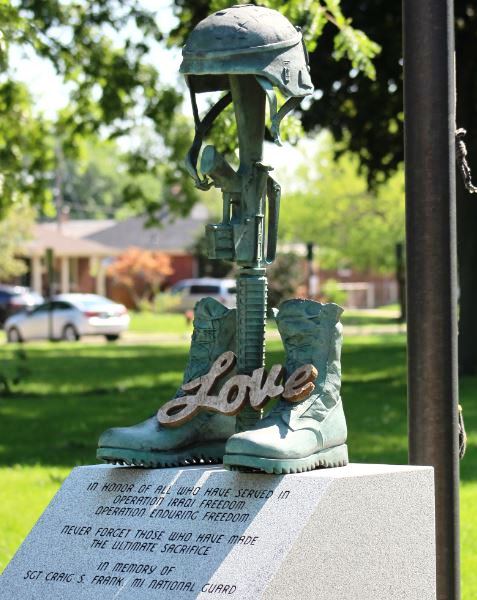
Even Sergeant Craig Frank’s hat (a baseball cap from a Vietnam vet which I showed you in my Memorial Day post) …

… was not exempt from the nearly 60 mph wind. A kindly soul had replaced the hat with a wooden plaque with letters spelling out “love” as seen below.

Many photos later, I trudged home. What was supposed to be a 15-minute stop had morphed into an hour-long visit to this venue.
Wordless Wednesday – allow your photo(s) to tell the story.

… it already felt like Summer was here – whew! So much for savoring the last weekend of Spring.
Perhaps if I had not arrived midday at Elizabeth Park, I would have appreciated the ambiance of this venue a wee bit more. But, after walking around Lake Erie Metropark for hours, the warmer it got, my pace became pathetically slow. Then I stood, melting in the hot sun at the fire station, awaiting some Osprey action.
But, the six-mile drive to Elizabeth Park with the car’s A/C cranked on high revived me a bit, so off I went to wander the waterfront, albeit briefly.
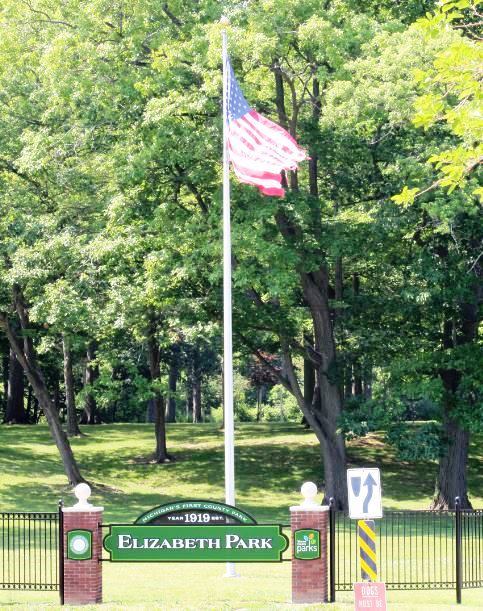
Don’t let that flag flapping in the breeze fool you – it was a hot breeze.

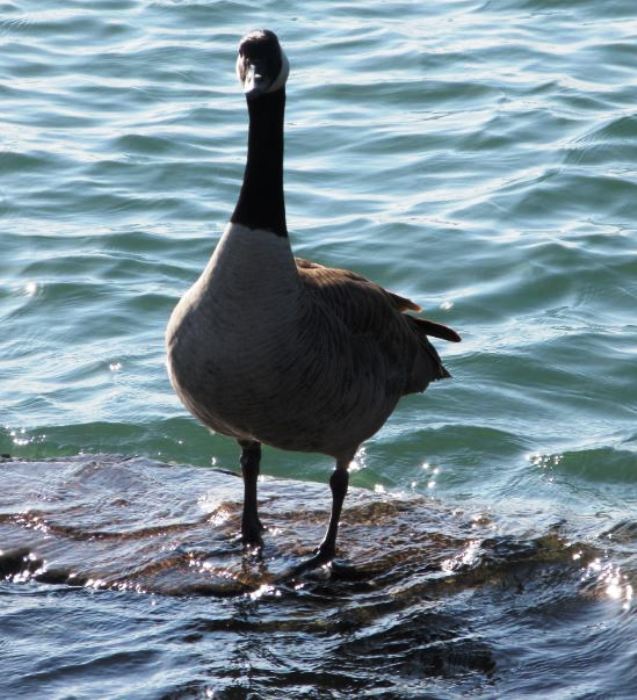
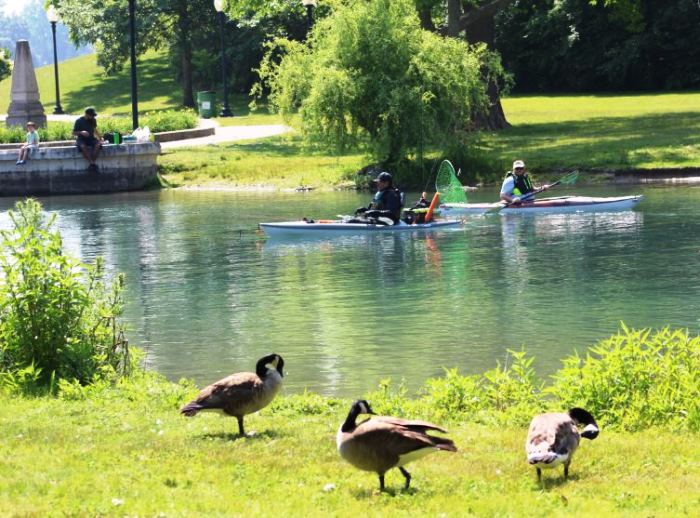
There is new signage throughout this park and, as the sign says, Elizabeth Park is Michigan’s first county park and it is 104 years old. By now I am sure you recognize this picturesque locale, from the trio of vintage bridges that span the Canal, to the Boardwalk. And, of course I always show you lots of waterfowl bobbing in that Canal, honking and/or quacking and, in the case of the Canada Geese, often bossing the kayakers around once when their paddles invade their personal space. (Hey, geese have rights too you know!)
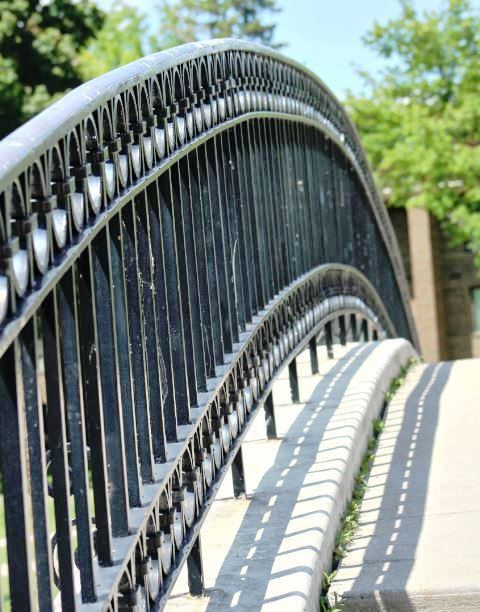
Every time I stop at this venue, I always pause at the vehicle bridge to take a photo of this vintage footbridge which is a popular spot for wedding, prom and homecoming photos.

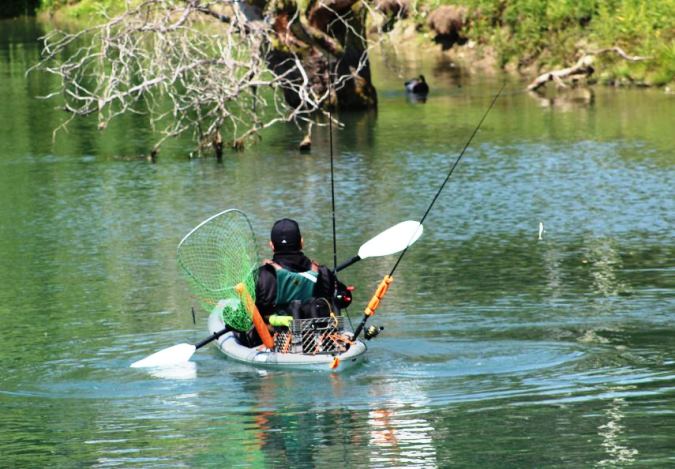
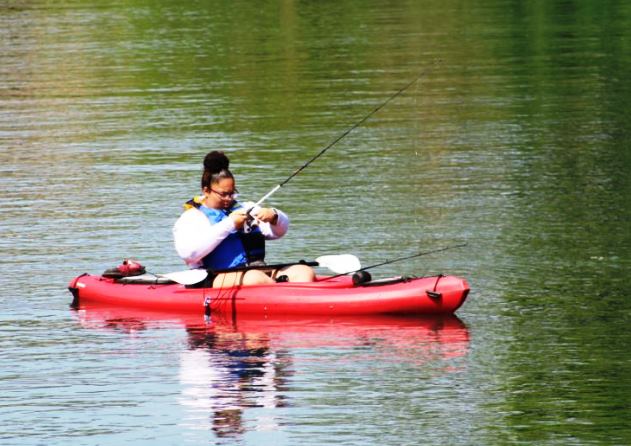
Then, I usually climb up the bridge, on its series of steep steps, to peer down into the Canal to look for photo ops, while trying NOT to be obvious or annoying … of course, sometimes people wave back from their kayak just as I snap their photo – then I don’t feel so badly about taking those candid shots. These two kayakers needed a break – they were too pooped to participate. (No, they didn’t wave back at me.)


My short visit at Elizabeth Park that day did not yield a ton of photos, just a few about fishing, which seemed to be the main attraction that day, whether along the Canal, Boardwalk or from a kayak – there were many fisher men and women and even a few dads and kids.
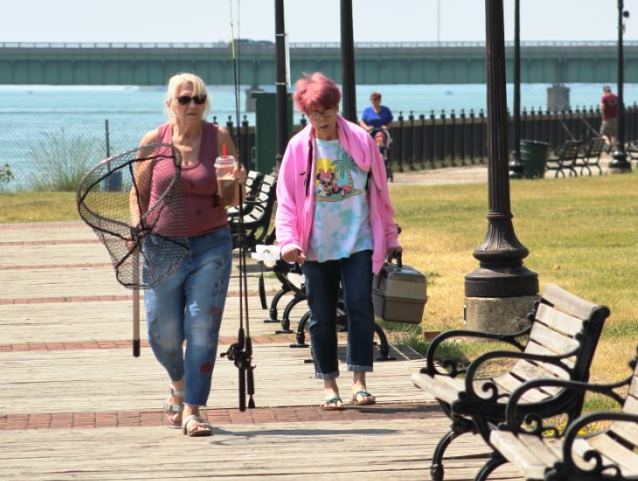
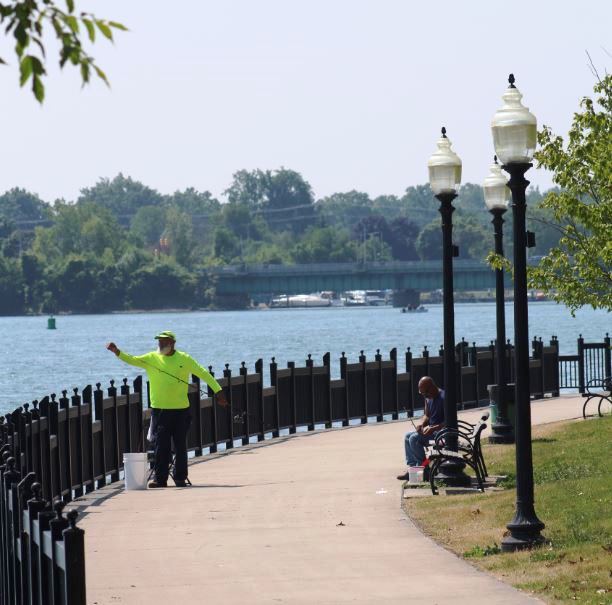
But, because a 400-word post by me would have you virtually feeling my forehead, I thought I’d tuck a little flash from the past in here as well.
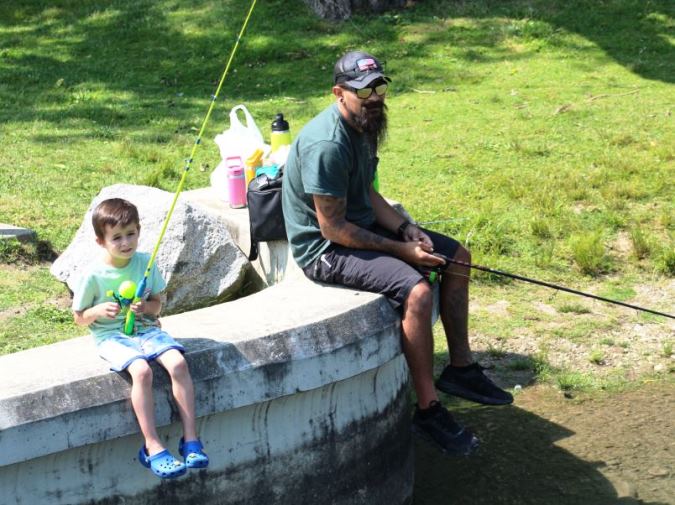
So there was a young boy and a man, which I assume was his father and they were fishing off the Canal bank. The little boy was excited for a “bite” on his line, but when the line emerged from the water, there was nothing there. Most likely the “tug” on the line was because the fishhook got hung up on some seaweed. He looked so crestfallen I called to him to put that line back in the water if he was going to have a fish fry for Father’s Day. His dad quietly chuckled at my quip, shook his head and said “not hardly.”
This boy and man triggered a long-ago memory as I recalled the one and only time I went fishing with my father when my parents rented a cottage for a couple of weeks in the Summer of ’68 near Alpena, Michigan. My father bought a fishing rod and reel and a tackle box filled with lures because the cottage had a boat and he aimed to take me fishing. He bought me a flimsy bamboo rod with a hook and a bobber. Mom made lunch to take with us and also shoved the rest of a bag of Jiffy Pop popcorn toward me for a snack. Clearly she wanted to read and relax, likely happy to get the two of us out of her hair for a while. Before leaving, we dug up a few worms to double our odds at catching something. My father alternated between worms and different lures with no success. At 12 years old, I was a bit bored, so, on a lark, I scattered some popcorn onto the water and when a few fish nibbled at the surface, I baited my hook with some popcorn and dropped the line.
Suddenly a fish nibbled on the popcorn on the hook and when I felt it tug the line, I yelled “I got something” and my father, ever the pessimist, said “probably a piece of driftwood” but he helped me lift the line and flailing fish out of the water (no reelin’ it in for me with the bamboo pole). He flopped the fish into the bottom of the boat near my feet. I was excited. Time to go home and show Mom and get a photo with the Baby Brownie camera.
Well our family never ate fresh fish … salmon patties, tuna salad, both from a can and Mrs. Paul’s fish sticks, but not fresh fish. So, Mom freaked out and said “I don’t want to cook it, then smell fish here for two weeks so do something with it – now!”
We took the picture, albeit a black-and-white shot that’s a bit blurry, but it memorialized my fish tale forevermore!
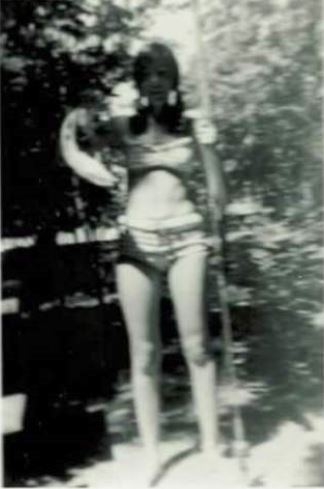
I think the fish was on its last legs, er … fins, when we went to the dock and deposited it back into Rush Lake.
And that my friends is my whopper of a fish tale!
 Linda Schaub



































 WALKIN', WRITIN', WIT & WHIMSY