

If one were to Google the word “gosling” they would discover a slew of images and the correct pronunciation and origin of that word – wow, a whopping 43,600,000 results in 0.47 seconds, plus Canadian actor Ryan Gosling’s smiling face!
I’ll save you the trouble of those few mouse clicks, or typing the word “gosling” into a search engine, as this writer will define a gosling as “a puff of feathered sweetness that takes away the harshness of today’s world.”
The backstory ….
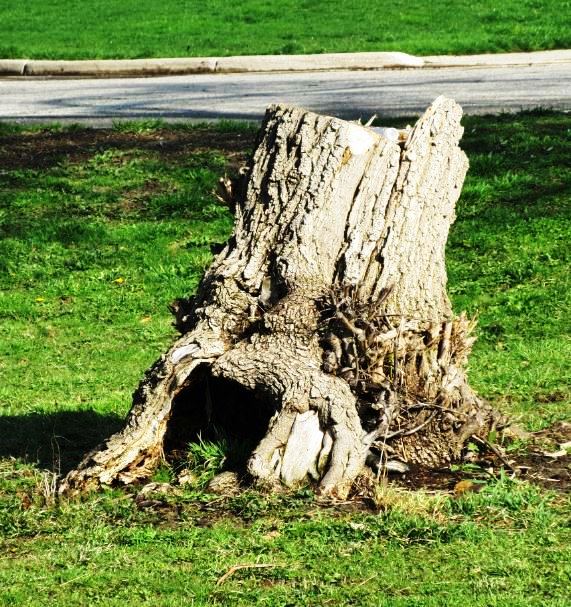
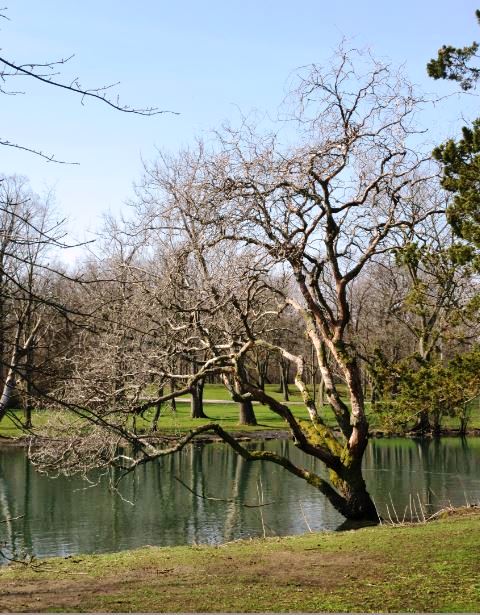
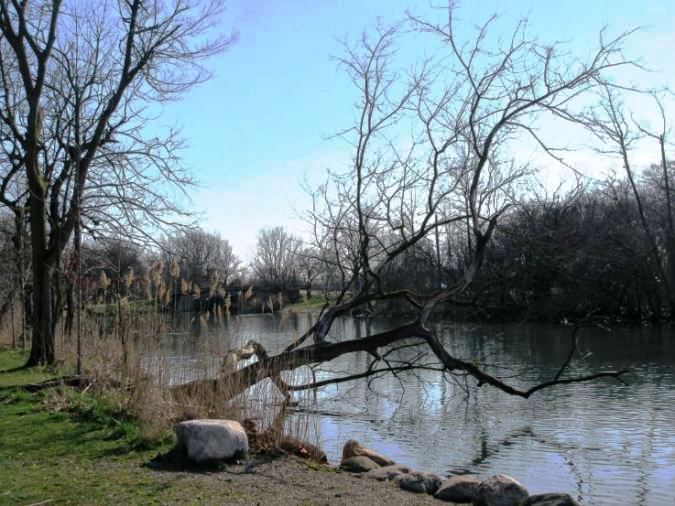
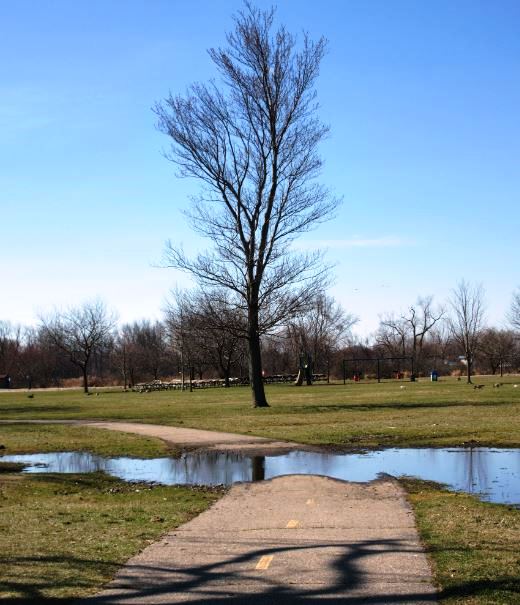
It was Mother’s Day weekend, on Saturday, May 7th to be exact, when I rounded the bend near the twisted tree at Council Point Park and came upon three families of geese. The parents were parading their offspring as they made their official Park debut. I was happy to see them, but wondered “where had they been hiding since they hatched?” The goslings gobbled up lush grass in their tiny beaks and paid no attention to me, but the parents’ radar sure went up.
After oohing and aahing a little, I quickly hooked my goodie bag in the crook of my elbow; I couldn’t get the camera out of its pouch quickly enough to capture these cutie pies for you to similarly delight in.
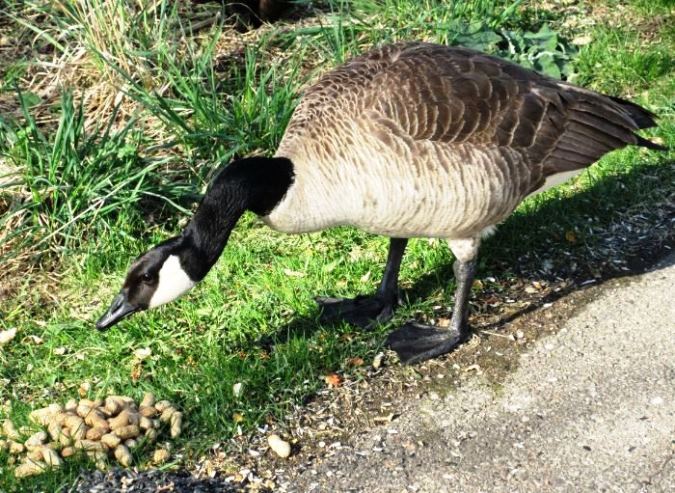
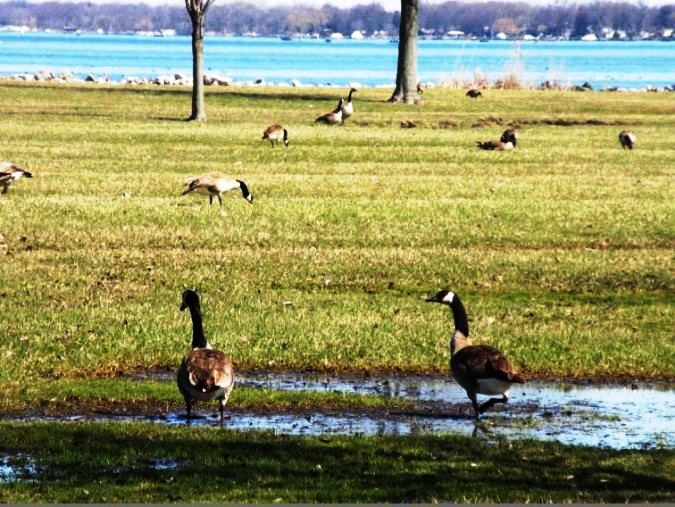
Canada Geese goslings typically hatch in early May in all our local parks. Elizabeth Park has hundreds of Canada Geese, so it’s a sure bet you can find some if you’re in need of a gosling fix.
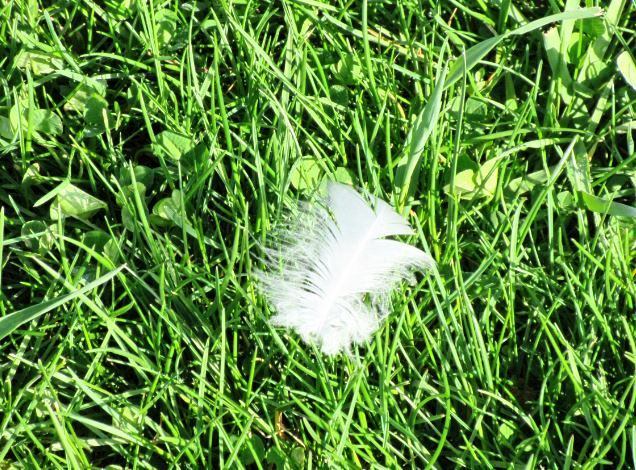
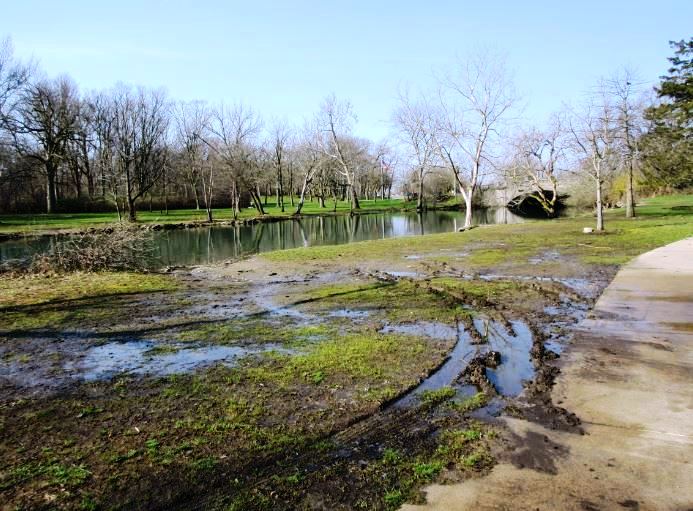
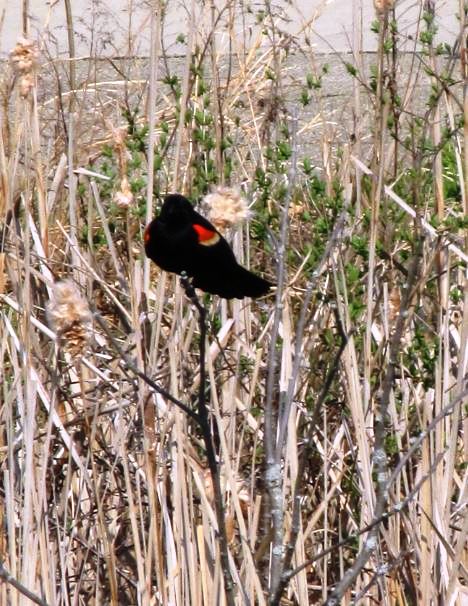
Here at Council Point Park, where I’ve been walking since 2013, despite climate change rearing its ugly head and slamming our formerly four seasons into unrecognizable categories, some of Mother Nature’s happenings remain status quo, just as I’ve witnessed each year this past decade. It is more than just the budding trees, or the eventual foliage hues come Fall. There is the return of the Red-winged Blackbird in March, the awakening of turtles from deep slumber beneath the Creek bed, the arrival of goslings in early May and the departure of all the geese and their offspring in late June. The latter event happens once the adult geese lose their flight feathers and cannot evade ground predators, so it is necessary for each goose to take to the water and shelter in groups until their new flight feathers return. I’ve already seen large feathers along the path. After the geese depart, there will be clean and poop-less paths and no wing-flapping and hissing histrionics – I’ll still miss them.
I’ve never seen a goose nest at this venue, though I scour the shorelines each Spring looking for them. They must be well hidden because one day the other walkers and I show up to see fuzzy, lemon-yellow darlings scurrying around. We walkers are like the paparazzi when the goslings arrive.
Week #1 – The nursery set.
These glimpses of goslings on Mother’s Day weekend were the sweetest of all the photos taken of them this past month. It was difficult to winnow down those shots. At first I just thought I’d just sprinkle a few gosling photos in my “Spring Vibes at Council Point Park” post, but, when I was without a car, then severe weather forced me to stick close to home, I was able to document the goslings’ growth on a regular basis over a month’s time. Although this is a small park, I don’t see the families every day and sometimes bad weather cancels out my morning walk.
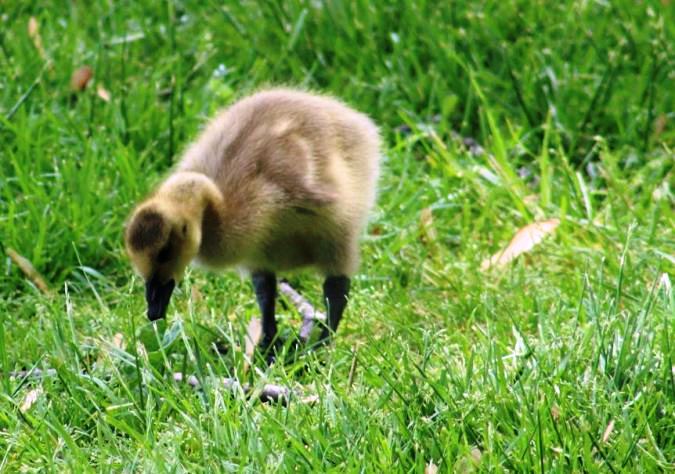
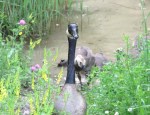
It was early morning, with no other walkers around and the goslings were emitting tiny tweets and peeps between mouthfuls of grass – it was the epitome of a peaceful morning for me.
Here are some shots – can you tell the different ages, likely only a few days apart? I’ll identify them for you.


Week #2 – Kindergarteners.
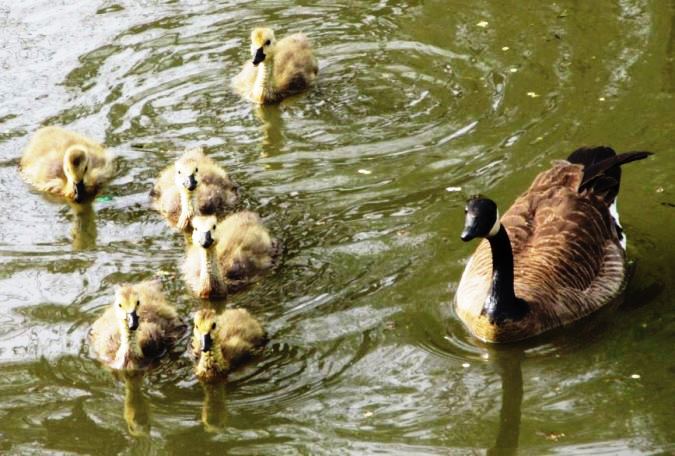
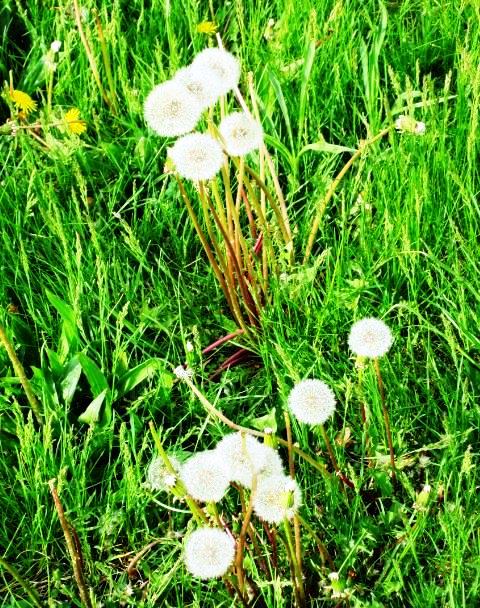
Though I often saw the geese families on weekdays, I waited one entire week later to document the goslings’ growth. On Saturday, May 14th, it was a day at the beach for the families. In comparing offspring between the three families, I could tell how much those youngsters had grown. Their downy yellow plumage was sleeker and tinged with gray blotches. They were not toddling after their parents, as much, plus strutting around seeking the lushest grass and picking out some of the plentiful dandelions to dine on. I’m glad I arrived early that morning because just as I left the trail, the crew of grass cutters were starting up their mowers. The next day the grass was short, dandelions sheared from the landscape and the three families were nowhere to be found.
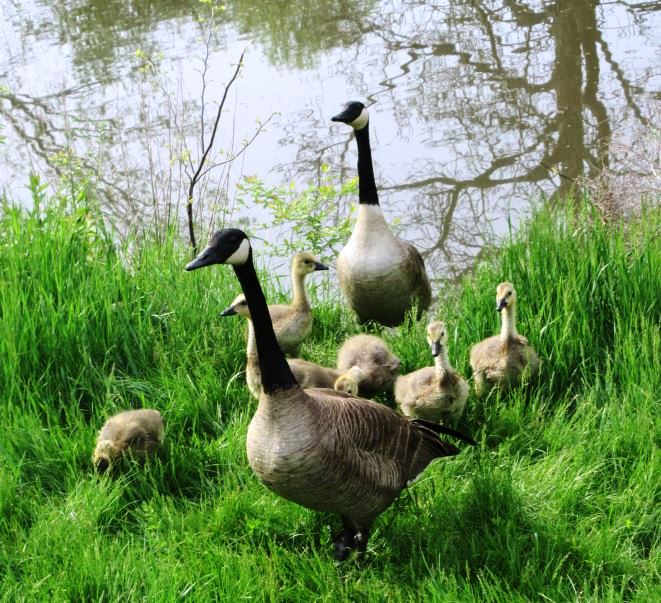



Week #3 – Pre-teens.
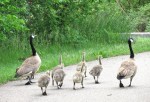
By Week #3, this time on a Sunday, a mere eight days later, I captured images of gray-colored goslings, with canoe-shaped bodies, stubby wings, massive feet and a whole lotta hissing coming from those black beaks. Although they still clustered with their parents and siblings, occasionally a brave soul would sprint from the others to snag a wildflower, or for a drink of water at the Creek’s edge, independent of the crowd.


Week #4 – Teenagers.
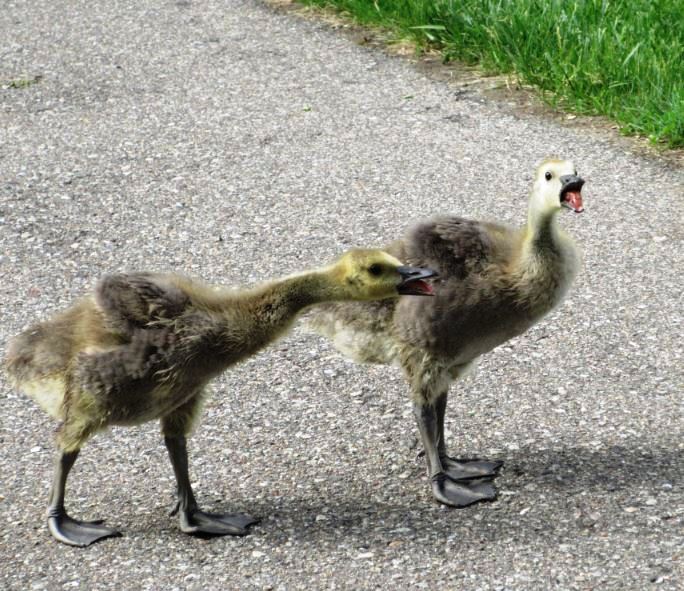
With the impending Memorial Day holiday (and finally able to schedule some bigger parks in my weekend agenda), I set out mid-week to document the goslings. They grew so much these past few weeks, from yellow fuzzballs to gray, almost-prehistoric looking birds with massive feet. They are eating and pooping machines. Unbelievably, adult geese eat up to four pounds (almost two kilograms) of grass a day – the goslings do their fair share of eating as well.
My favorite photo from this day were these goslings hissing. I don’t think their anger was directed at me, as I stood a respectable distance away. What a couple of rebels!


Week #5 – Looking like grown-ups!
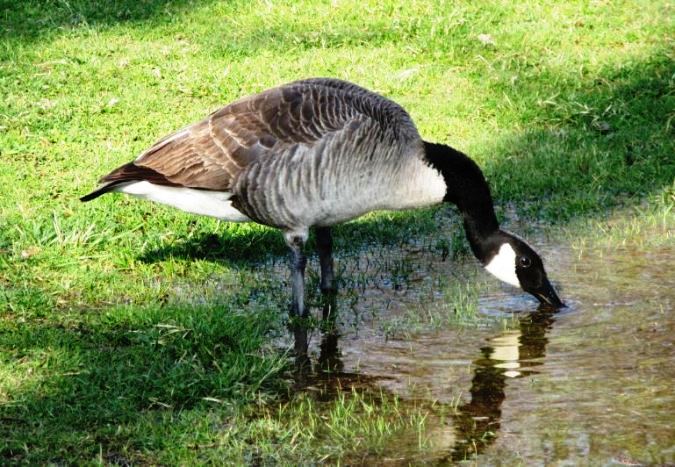
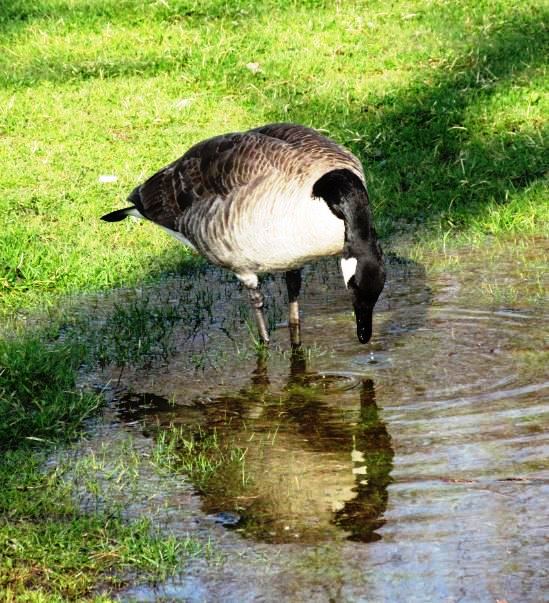
I capped off the goslings’ growth chart around Week #5 when they became all gray and a little blah looking. Their markings grow more defined daily, with darker beaks, whiter cheeks and the tail feathers are now resembling their final plumage.

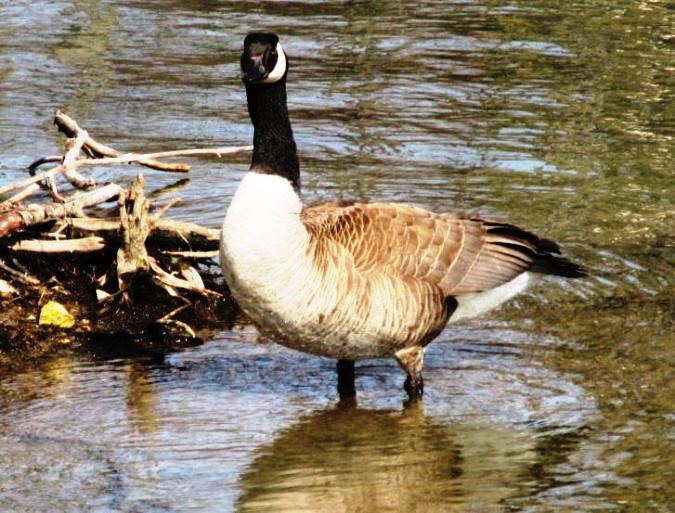
A few factoids about our feathered friends. The growth of these goslings is pretty amazing. They are incubated by Mom for about 30 days. They hatch and are immediately able to find their own food source and take to the water, where they will form a neat queue behind either of their parents. In four weeks, the goslings will have grown to one-third of their full size and at eight weeks, their plumage is indistinguishable to that of their parents, becoming “mini-me” versions. At a glance you cannot tell them apart. Then the best part: after just ten weeks from a cute fluffball, they will take flight as a full-grown Canada goose. Upon fledging, their new moniker becomes “young goose” as they leave those gosling days behind them, however, they don’t reach full maturity for another two years.
Thanks for hanging in here through the chatter and all the photos, (some, which I’m sure look alike to everyone but me). Your reward is this lovely quote:
“Our task must be to free ourselves … by widening our circle of compassion to embrace all living creatures and the whole of nature and its beauty.” – Albert Einstein
















































 Linda Schaub



























 WALKIN', WRITIN', WIT & WHIMSY